
Top Ten Things (Plus One) to Know about Japanese Art
by Brenda G. Jordan
Download the PDF version of this article for classroom use
Brenda G. Jordan is a Japanese art historian specializing in Tokugawa-period paintings and woodblock prints. She received her PhD from the University of Kansas and was a Monbushō scholar at the University of Tokyo. She joined the Asian Studies Center at the University of Pittsburgh in 2001 and, from 2008 to 2025, she was the Director of the University of Pittsburgh’s coordinating site for the National Consortium for Teaching About Asia (NCTA). Her publications include The Arts of Japan: Creativity and Innovation (Key Issues in Asian Studies, 2026), Copying the Master and Stealing His Secrets: Talent and Training in Japanese Painting (University of Hawai’i Press, 2003) and “Potentially Disruptive: Censorship and the Painter Kawanabe Kyōsai” in Hiroshi Nara, ed., Inexorable Modernity: Japan’s Grappling with Modernity in the Arts (Lexington, 2007).
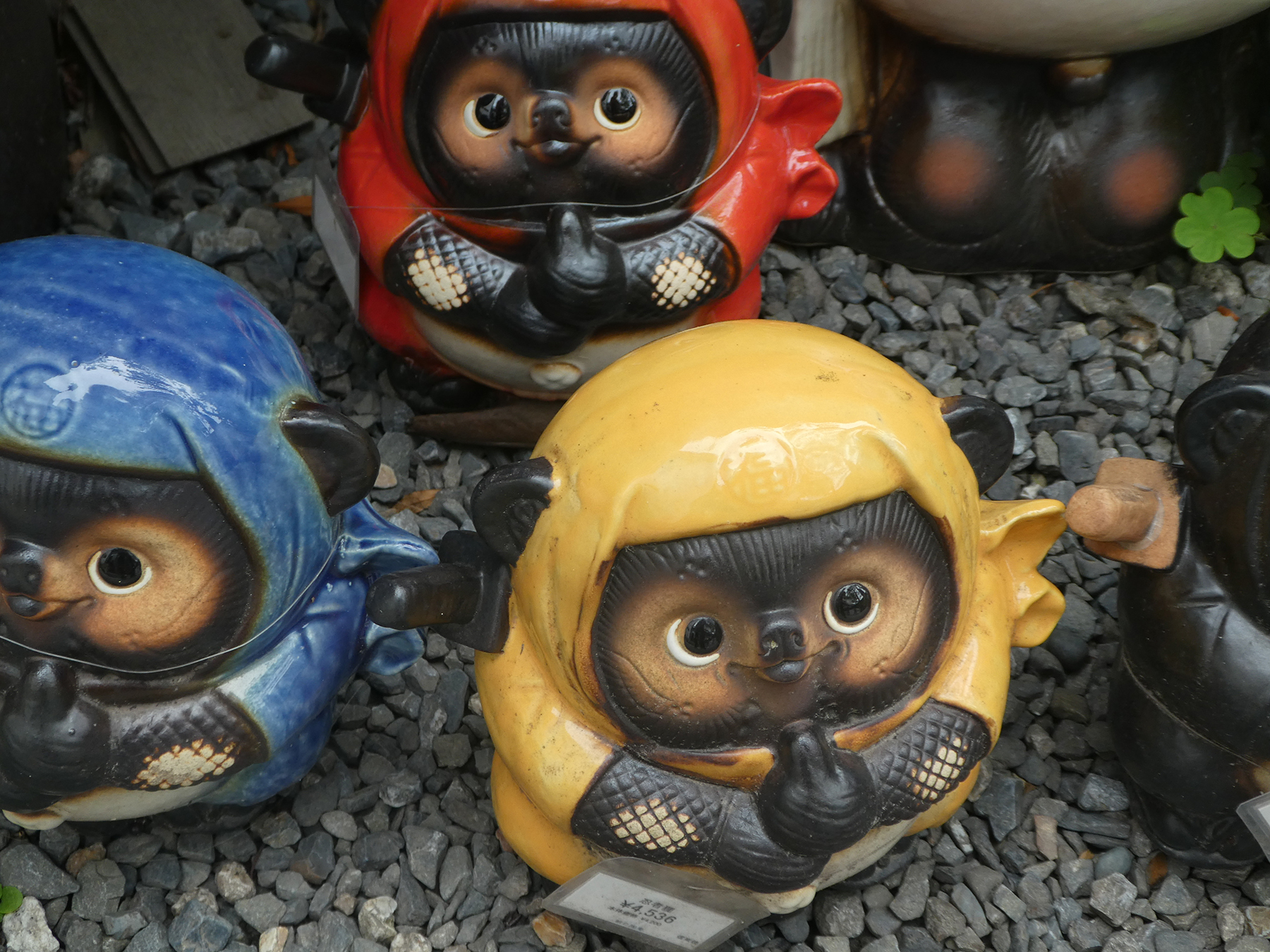
Tanuki statues. Photo by author.
What is it about the arts of Japan that makes them so widely appreciated internationally in disciplines such as architecture, garden design, fashion, and popular culture?
The answer may lie in the various cultural and artistic “threads” that can be traced throughout Japanese history. Some of these threads are likely already familiar to the reader, such as the quality of Japanese craftsmanship and the predominance of nature in the full range of Japanese cultural expressions. Other threads may not be as well known—for example, the Japanese fascination with novelty and innovation, and also with the strange and mysterious. The following “Top Ten Things (Plus One)” are not presented in any particular order as all play key roles in Japanese arts, which encompass a broad range of visual and material culture.
1. An Interest in the New
Throughout Japanese history, artists’ workshops have adhered to specific subjects and styles that appealed to a particular clientele, yet these artists typically built upon what came before to create a new and fresh look. Courtiers in the Heian period (794–1192) took the high art of calligraphy in East Asia in a different direction. Japanese men and women writing in the uniquely Japanese kana script intermixed with Chinese characters would combine their text with images or place it over a decorative background. The nobility wrote poems and letters to one another using fine overlapping, colored papers, gold and silver, and paintings (Figure 1). These arts and others of the period would become the classical world of Japanese literature, poetry, and visual arts.
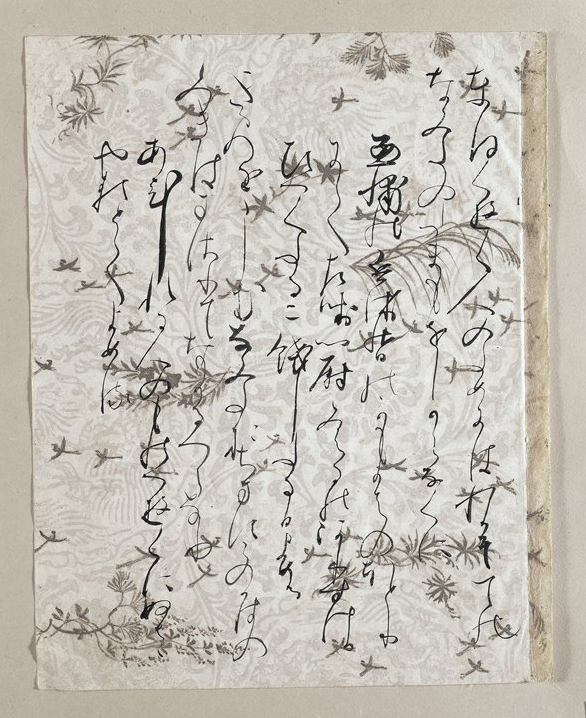
Figure 1: Page from Tsurayuki Anthology, vol. 2, known as Ishiyama-gire, attributed to Fujiwara Sadanobu (1088–1156), 1112 , ink on assembled dyed paper decorated with silver and gold, image: H. 20.16 cm x W. 16.03 cm. Provenance: Nishi Honganji, Kyoto. Mary Griggs Burke Collection, Gift of the Mary and Jackson Burke Foundation, 2105.79.238. Minneapolis Institute of Art, Public domain.
Nothing was ever entirely stagnant, since to stagnate would have spelled death to a workshop that depended on its patrons. Thus, Hon’ami Kōetsu (1558–1637) and Tawaraya Sōtatsu (d. 1643) reinvented this classical world of the Heian period with their publications of prose and poetry, their fan paintings, and Sōtatsu’s large folding screens such as Waves at Matsushima (Figure 2), which recalls the tradition of scenic spots with striking design elements of asymmetry, diagonal thrust, and negative space juxtaposed against the pine trees, sand bars, and rocks.
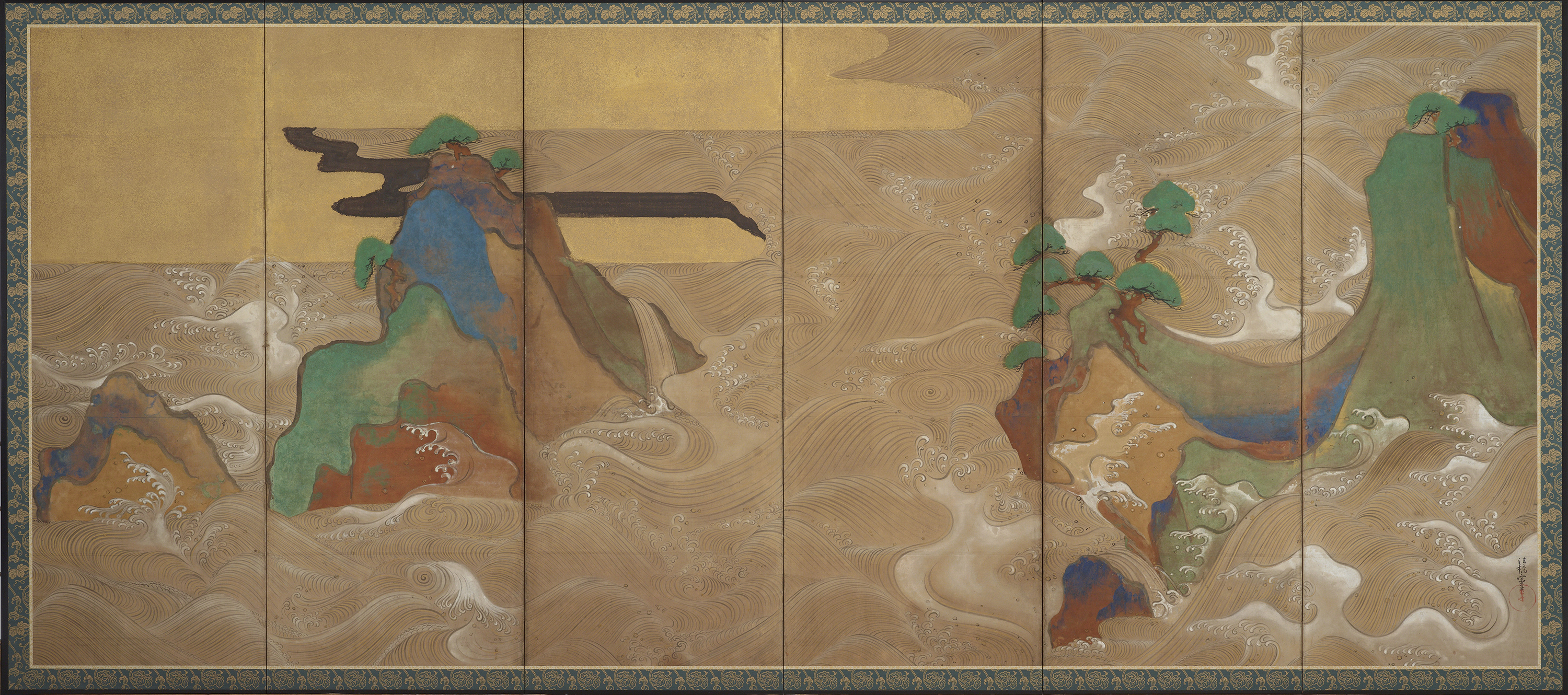
Figure 2: Waves at Matsushima (right screen), Tawaraya Sōtatsu, early seventeenth century, folding screen, ink, color, gold, and silver on paper, each H. 166 cm x W. 369.9 cm. Gift of Charles Lang Freer, F1906.231-232. National Museum of Asian Art, Smithsonian Institution, Washington, DC, Creative Commons.
2. Learning from Other Cultures
Woven into this thread is dissemination, adaptation, and learning from others both within and outside of the archipelago. Japanese artists and patrons were admirers of the arts of other cultures, particularly China and Korea, but also Vietnam and the Ryūkyū Kingdom, as well as European and American arts in more recent centuries. To adopt a style or technique from abroad is not the same as copying, as the Japanese selectively integrated outside influences to suit their own tastes and needs. For example, they made use of Chinese characters yet invented the kana (katakana and hiragana) writing systems that enabled them to write in the vernacular. Architecture, as well, was heavily influenced by continental models. During the Kamakura period (1192–1333), a new style based on Chinese Song architecture (960–1279) was introduced; the Great South Gate of Tōdaiji (Figure 3), built in 1199, is emblematic of what became known as the daibutsu-yō style. The innovations of this style, such as long crossbeams that run through pillars, “bracket arms inserted directly into the supporting pillars, a high ceiling and vast interior space, and tiered beams supporting the eaves,” later influenced modern architecture in Japan, including prominent Japanese architects such as Isozaki Arata (1931–2022).1
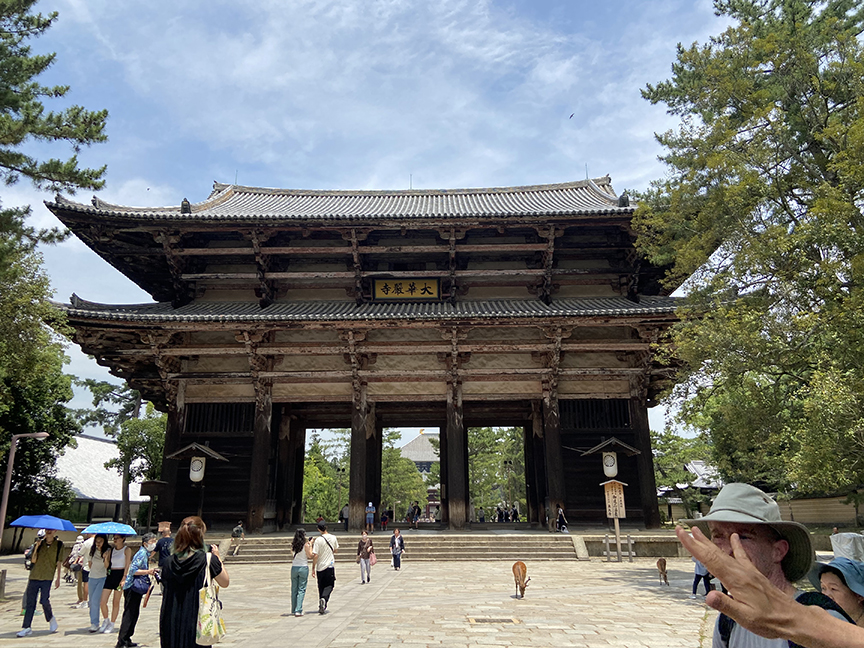
Figure 3: Great South Gate of Tōdaiji, Nara, 1199, daibutsu-yō architectural style (wood with tile roof). H. 25.46 meters. Photo by author, 2023.
Learning a technique or style from abroad and adapting it to local tastes and conditions are characteristics of a vibrant culture. And the influences didn’t flow only one way. Goldsmithing techniques came to Japan via China and the Silk Road network of trade routes; jade burial accessories crafted in Japan have been found in tombs of the elite on the Korean peninsula, and Japanese Umbrella Pine (koyamaki) was used for coffins in the tomb of King Muryeong (r. 501–523) and elsewhere.2 International trade and the exchange of peoples brought metalworking and ceramic production techniques from the continent. Conversely, Japanese woodblock prints, ceramics, cloisonné, umbrellas, and woodworking techniques inspired Westerners in more recent centuries and had an impact on the Arts and Crafts movement and Japonisme.3 Since the mid-nineteenth century, cross-cultural influences and technologies have expanded to include anime, manga, feature-length films, and performance art. There have been only a few times in Japanese history when the exchange of ideas, styles, and techniques between Japan and other cultures slowed noticeably (due to government restrictions) but, even then, artistic influences continued to trickle into the islands. This occurred, for example, during the Heian period, which is often considered distinctive for the development of native styles of literature and art. Exchanges with the continent continued, as demonstrated by Heian sculptors’ use of Chinese techniques to carve Buddhist images from a single block of wood, with tool marks visible in deeply incised carving and the wood left untreated, enabling aromatic woods such as nutmeg-yew (kaya) to scent the air (Figure 4).
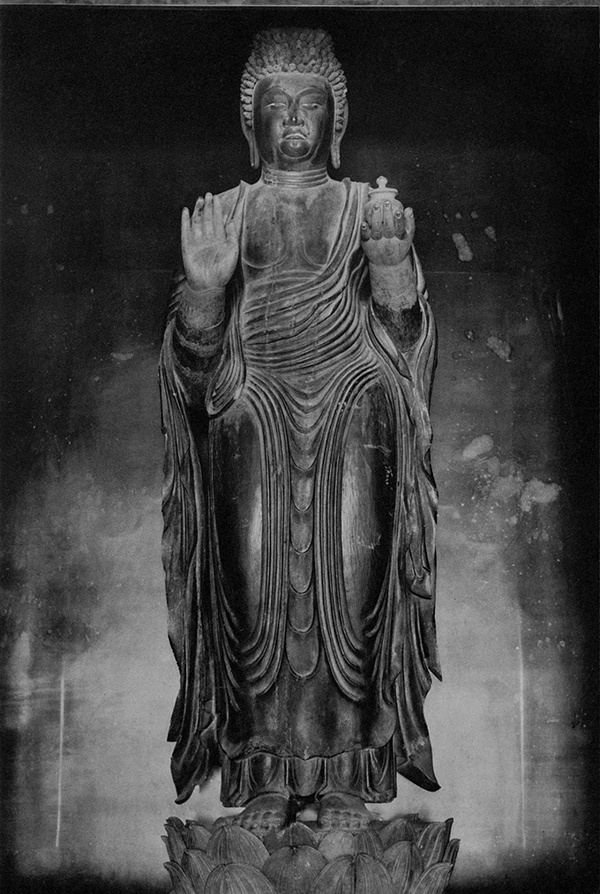
Figure 4: Yakushi Nyorai, early ninth century, wood. H. 170.6 cm. Jingoji, Nara. Photo © Domon Ken, Wikimedia Commons.
An important example of this practice of adopting and then adapting is the scholar-literati painting styles brought from China to Japan during the Tokugawa period (1603–1868). Painter and poet Yosa Buson’s (1716–1783) Snow Landscape (Figure 5) takes the Chinese scholar-literati theme of a man in his hut in the mountains and renders it without the depth and multitude of strokes that a typical Chinese painter in this style would use.
Instead, Buson flattened and simplified shapes, used washes of ink to suggest snow on tree branches and mountains in the background by painting negatively—that is, by painting the sky around the mountains and the background around the white of the snow on the trees, causing the viewer to see the mountains and trees as positive shapes. Buson didn’t even fill the space to the edges of the painting, leaving clear ink brushstrokes in the lower portion of the painting that, in themselves, produce the image of a road. This flattening of space, simplification, and tendency toward abstraction was a characteristic of scholar-literati painting in Japan.
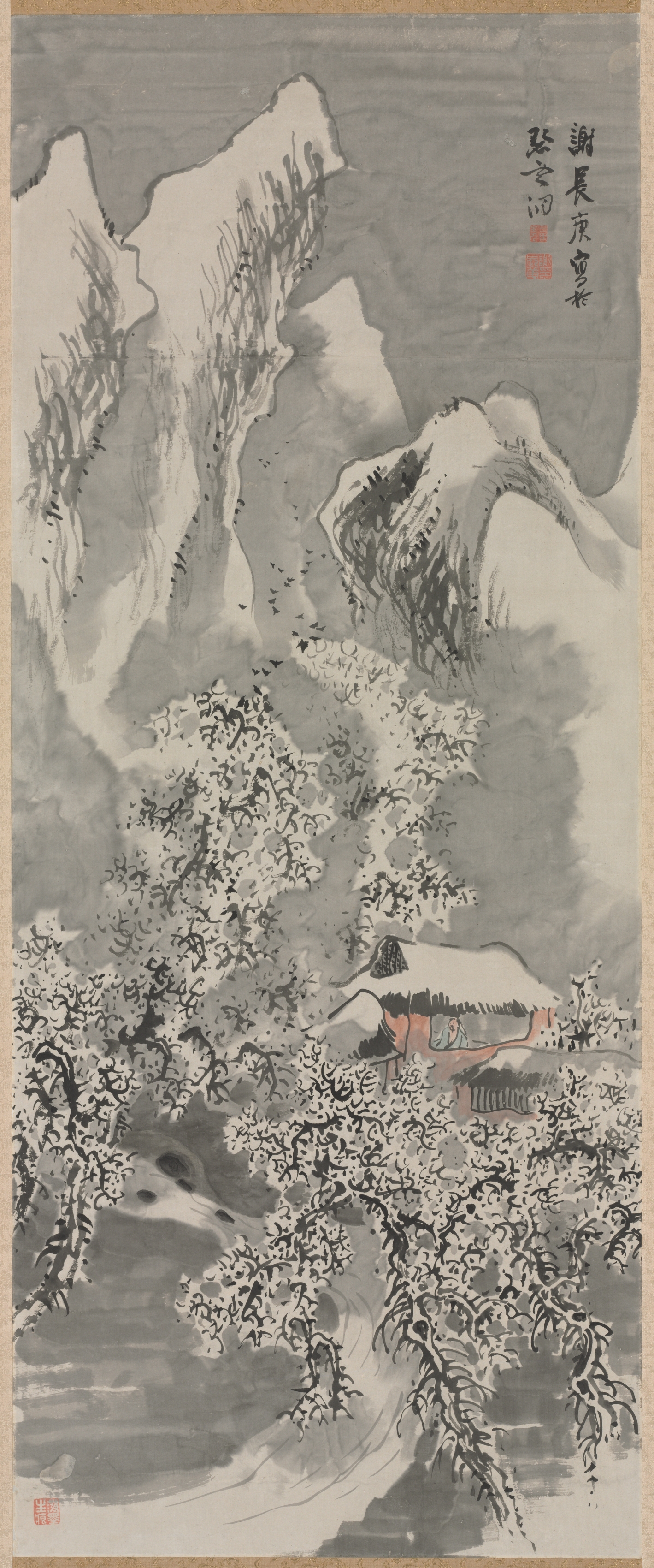
Figure 5: Snow Landscape, Yosa Buson, c. 1770s, hanging scroll, ink and color on paper, image 174.6 x 67.3 cm. Bequest of Mrs. A. Dean Perry, 1997.111. Cleveland Museum of Art, Public domain.
3. References to Nature
In spring, it is the dawn that is most beautiful . . .
In summer, the nights . . .
In autumn, the evenings, when the glittering sun sinks close to the edge of the hills . . .
In winter, the early mornings. It is beautiful indeed when snow has fallen during the night, but splendid too when the ground is white with frost; or even when there is no snow or frost, but it is simply very cold and the attendants hurry from room to room stirring up the fires . . .
— Sei Shōnagon, The Pillow Book4
Historically, the Japanese have recognized four distinct seasons and seventy-two micro-seasons. Nature looms large in Japanese cultural expression, a statement that is true even in highly urbanized contemporary Japan. By “nature” we mean the phenomena of the physical world (flora and fauna, rocks, mountains, rivers, the changes of seasons and so forth). Examples can be found in poetry, in the prioritization of seasonal flavors and foods in cuisine, in seasonal images used on clothing, choices made in garden design or flower arrangements, and paintings hung only at certain times of the year. Nature not only appears but can even drive the theme, the design, and the image. Today, one can still count on experiencing seasonal references throughout the year: plum blossoms in late winter (formerly early spring in the lunar calendar); cherry blossoms in mid-spring; tiny clusters of grapes in the market in summer; persimmons in fall; winter peony and the sweet rice drink amazake in winter. Visitors flock to gardens to view seasonal blooms such as hydrangeas in early summer, and ikebana flower arrangements feature seasonal flowers (Figure 6).
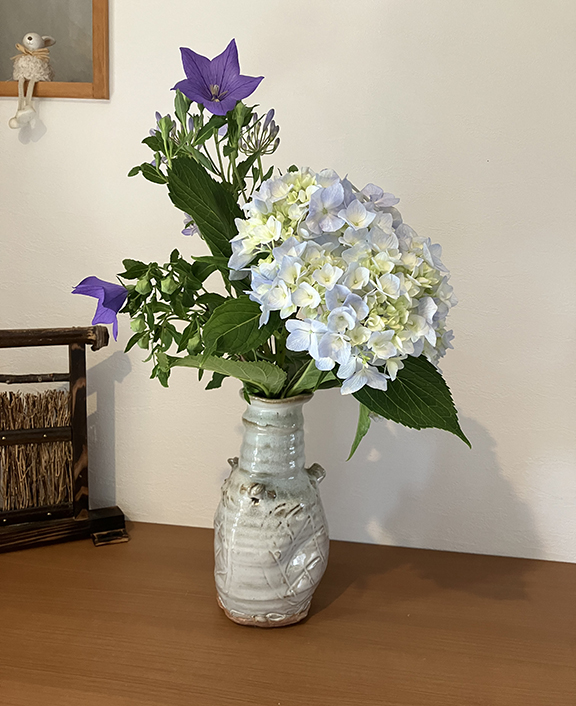
Figure 6: Summer ikebana, Hagi, Japan. Photo by author, 2023.
4. A Myriad Thought Systems
This characteristic is often difficult for foreigners to understand, the mixture of Daoist, Confucian, Buddhist, and Shinto thought systems and practices in Japan. These intermingle with one another and are manifested in the premodern intertwining of Buddhism and Shinto, as when a Shinto gate (torii) leads one into the compound of a Buddhist temple (Figure 7). The introduction of Buddhism from China and the Korean peninsula in the sixth century was initially opposed by the Yamato rulers, but by the latter part of the sixth century, Buddhist institutions were actively supported by the rulers, including the emperors, who were considered descendants of the Sun Goddess. Influenced by continental architecture, the Japanese built Buddhist temples, and Shinto practitioners responded with changes to the construction of Shinto shrines, which likely developed from the style of earlier storehouses. Temples such as Hōryūji, however, deviated from the Chinese plan by placing the main hall and pagoda side by side rather than one in front of the other. There are various ideas about why this was the case, such as the early expression of Japanese preference for asymmetry or even the practical solution of fitting the buildings into the topography of the site.5 Shinto shrines such as Ise had their own distinctive features: often sited within forests and closely tied to the environment surrounding the sites, constructed with unpainted wood planed to a satin finish, and finished with thatched roofs rather than the heavy tiles of temple roofs.
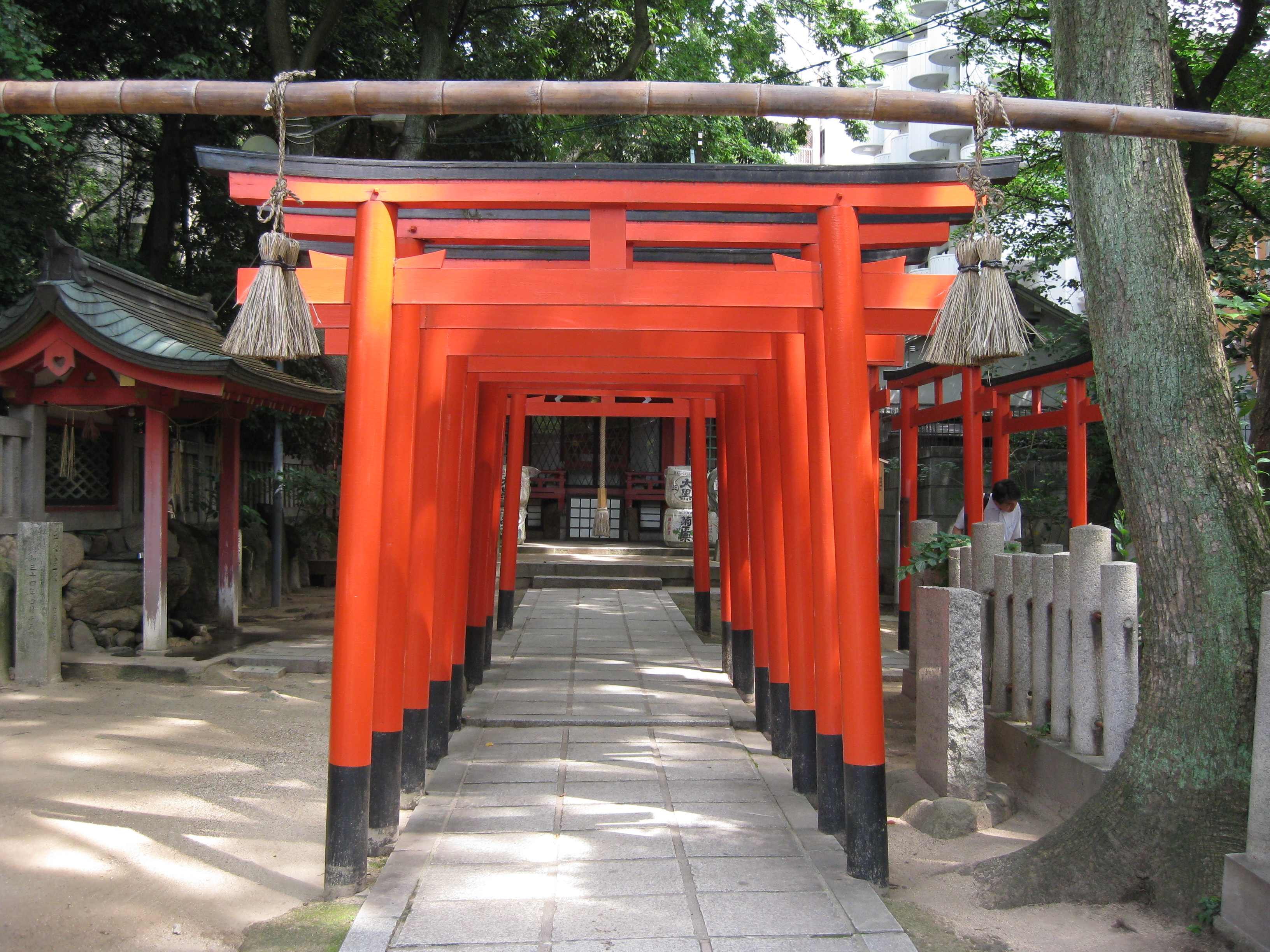
Figure 7: Torii in Sannomiya area of Kobe. Photo by author, 2010.
5. Playfulness
This includes humor, satire, and a love of the cute (kawaii). Caricature (giga) dates back centuries in Japan, to the scribbles found in the joints of pedestals for Buddhist statuary and, later, the well-known “Frolicking Animals” scrolls of the twelfth century. Particularly in the Tokugawa period and later, artists and writers created kyōga (humorous and satirical painting), kyōka (comic waka poetry), tales of buffoons (such as Shanks’ Mare), or even used mitate (double vision), such as reversing the roles of the Bodhidharma (the founder of Zen), with a courtesan to startle and humor an audience (Figure 8). The theme of “Hundred Ghosts and Demons” might satirize the current military government. Early haikai (later called haiku) sometimes expressed humor, as well as playing with previous haikai, when Yosa Buson wrote:
jumping in
and washing off an old poem—
a frog6
based on Matsuo Bashō’s (1644–1694) well-known
an old pond…
a frog leaps in,
the sound of water
— Bashō7
From paintings of farting contests to the use of animals such as frogs and rabbits as caricatures of real people, the Japanese took delight in images and writings with double meanings and humorous twists. Even erotic pictures were known as warai-e (laughing pictures) in the Tokugawa period, although the term was also used for humorous pictures.
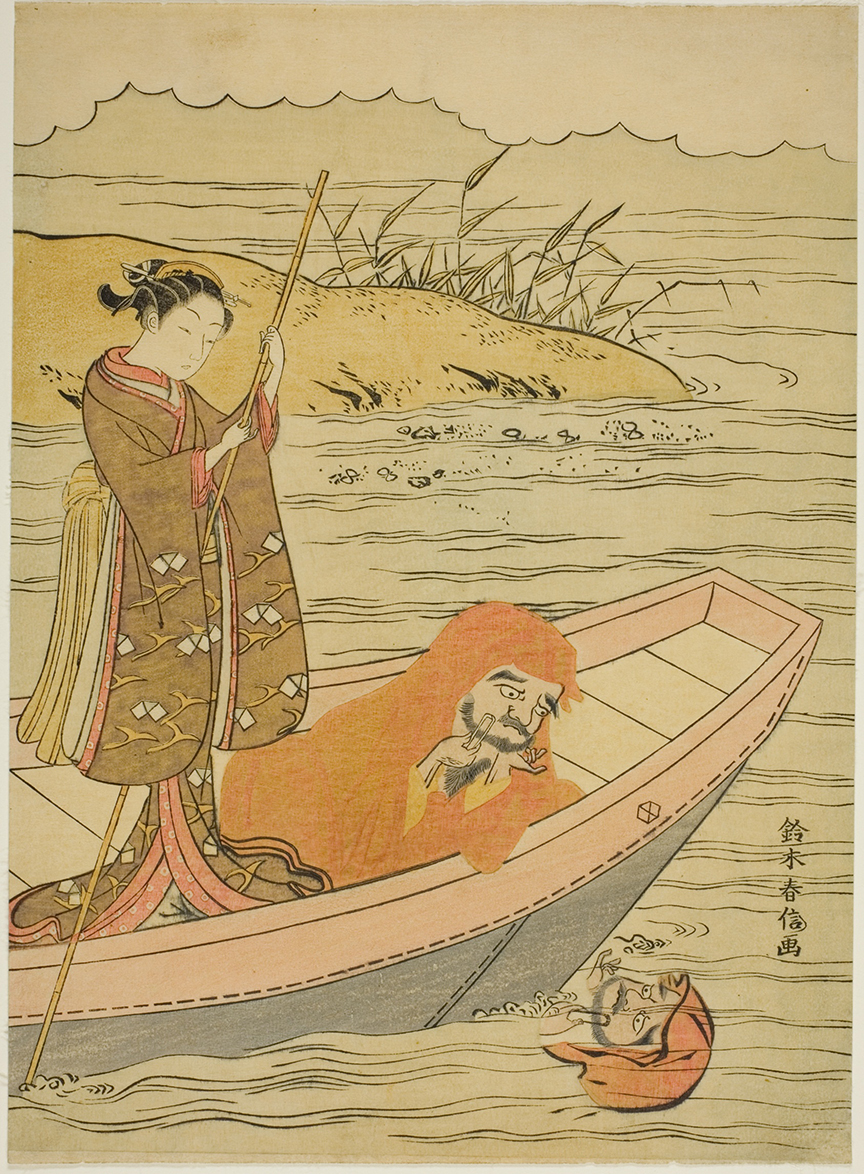
Figure 8: Daruma Looking at His Reflection, Suzuki Harunobu, c. 1762–1770, color woodblock print. H. 28.9 cm x W. 21 cm. Clarence Buckingham Collection, 1925.2064. Art Institute of Chicago, Public domain.
6. A Fascination with Things Strange and Mysterious
There is an acceptance of things that cannot easily be explained but are part of our world. These include bakemono (changing things; shape-shifters), yōkai ([also] changing things; a broader category of strange and mysterious manifestations), archetypal tricksters like kitsune (fox) and tanuki (raccoon-dog), yūrei (ghosts), and other manifestations of the inexplicable. Ghosts and tricksters figure in cultures throughout the world, but Japan has an inordinately large number of such things. There are a multitude of influences—Buddhist, Shinto, and Chinese and Japanese folklore—that inform Japanese ways of viewing the world, resulting in such things as kitchen implements that come to life, a tanuki that shape-shifts into a tea pot, strong emotions exploding as jealous female demons in Noh (hannya) or angry spirits appearing in burning paper lanterns (Figure 9), not to mention the numerous demons of the Buddhist hells, and many more. These strange and mysterious manifestations are so embedded in Japanese culture that there are entire scholarly studies devoted to the topic, and manga, anime, and video games are replete with them. Gentle spirits like those in My Neighbor Totoro are as prevalent as monsters like Gojira (Godzilla), yet both speak to more than mere entertainment. With the 1954 film Gojira and anime such as Princess Mononoke or Pom Poko, Japanese filmmakers have used nature spirits, monsters, and demons to criticize environmental degradation and nuclear war.
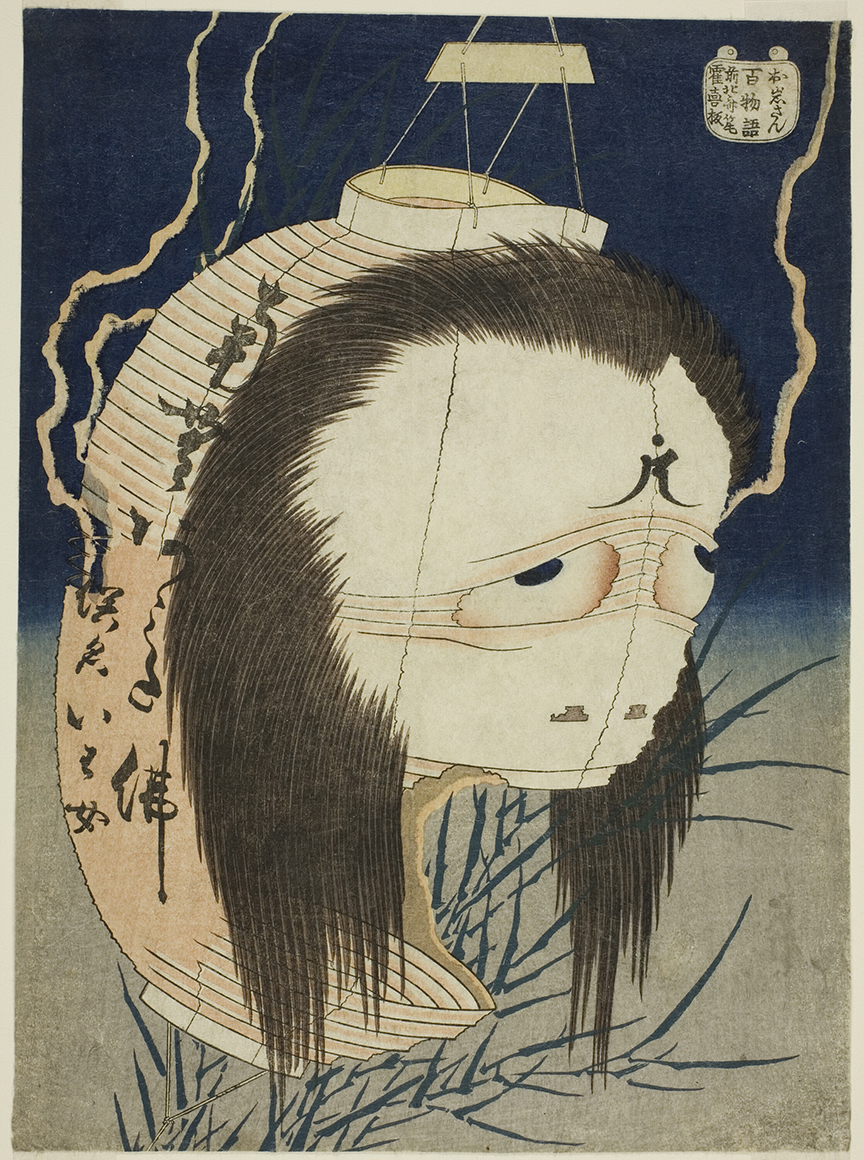
Figure 9: “Oiwa” from the series One Hundred Ghost Tales, Katsushika Hokusai, 1831–1832, color woodblock print. H. 25.6 cm x W. 16.1 cm. Clarence Buckingham Collection, 1943.603. Art Institute of Chicago, Public domain.
7. A Reverence for Tradition
There is a push and pull between two opposing tendencies—adherence to traditional styles and techniques versus the love of the new and different—that has been part of the arts for centuries. Some schools of painting, such as the academic Kano, prioritized skills and techniques over creativity because delivering a consistently high-quality product was essential to the financial success of Kano ateliers (art workshops). As Kano Yasunobu (1614–1685) wrote in his Gadō yōketsu (Secret Keys to the Way of Painting), “In general, paintings produced by talent are no match for those produced through training…. Thus, painting begins with methods and regards sublime talent as secondary.”8 At the same time, even the Kano school had innovators like Kano Tan’yū (1602–1674), whose wall paintings at Ninomaru Palace included extending huge pine trees from lower panels to upper panels and incorporating the surrounding garden into the theme. More recently, contemporary artists have deliberately drawn upon traditional ideas, materials, and styles. Avant-garde artist Okamoto Tarō (1911–1996) argued for the aesthetic value of Jōmon pottery rather than regarding those ceramics only as ancient artifacts. Fashion designer Mori Hanae (1926–2022) was inspired by Kabuki and Noh costumes.
8. A Sharp Aesthtic Sensibility
Aesthetic sensibilities play a large role in Japanese art and culture. Simplicity, refinement, suggestion, the understated, perishability, and sensitivity to nature are found in poetry, literature, the Noh theater, and arts ranging from paintings to ceramics to the practice of tea. Aesthetic sensibilities even appear in contemporary popular culture, in TV commercials, advertisements on trains, and in the marketing for the tourist trade. Early Shinto shrines demonstrated a preference for irregularity, refined simplicity, and unpainted wood. Heian courtiers in Kyoto preferred the elegant, the restrained, and the subtly suggestive, as well as being sensitive to the transitory nature of things. This was the era of the world’s first psychological novel, Murasaki Shikibu’s The Tale of Genji (Genji monogatari; early 11th century), and of other writing by women at the court. Tokugawa woodblock prints often reflect refinement and discriminating taste expressed in terms like shibumi (understated) or iki (urbane, plucky stylishness),9 where lightness and suggestion were valued, and those not skilled in embodying taste in their clothing and actions were considered boorish. This permeates nearly all of artistic production in Japan, extending to daily life, such as the production of consumer goods, advertising, and consumer services. Yoshida Kenkō (1283–1350) wrote in his Essays in Idleness (Tsurezuregusa; c. 1330–1332) that beauty is “indissolubly bound to its perishability”—an aesthetic sensibility that was not entirely new at the time but reflected how the Japanese viewed their world and what they valued.10
9. Craftsmanship
Not unlike premodern learning in the crafts of Europe, Japanese workshops emphasized highly developed skill sets as mentioned above. Learning through observation and long apprenticeships, “copying the master and stealing his secrets,”11 and apprentice-style training were used to pass along techniques and skills, from calligraphy to carving a woodblock. The Japanese attention to technical perfection was a hallmark acknowledged by Westerners during the late nineteenth century. During the Meiji period (1868–1912), the Japanese government encouraged artists and artisans to produce high-quality wares for export such as cloisonné, ceramics, metalwork, and lacquer (Figure 10). These items along with the Western admiration of Japanese woodworking, woodblock prints, silk, and other traditional arts and crafts drove entire industries of arts and artisan production, and influenced Western architecture, interior design, and consumer culture. Even today, there is still an emphasis on refinement and quality in Japan, whether it be consumer appliances, furniture, tableware, or even such seemingly mundane items of daily use as bathroom towels. Order a dish of pasta (Figure 11), and you will find yourself indulging in cuisine that represents quality of production (the dish and carefully prepared pasta), seasonal references (fresh basil), simplicity (a coil of pasta on a white plate), and integration of food types from abroad (pasta from Italy) with Japanese taste and preferences (which include small servings decoratively displayed).
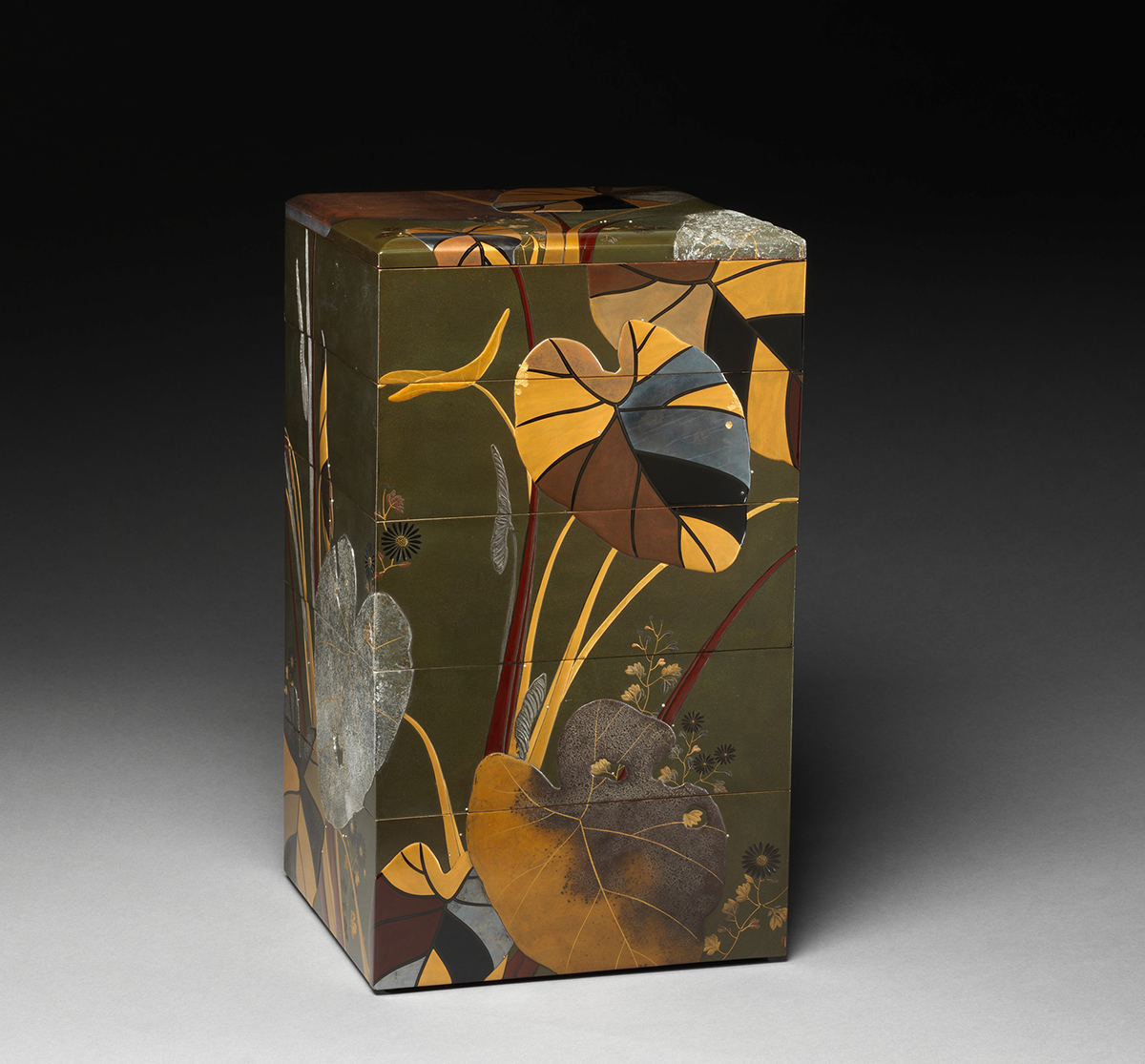
Figure 10: Stacked food box (jūbako) with Taro Plants and Chrysanthemums, mid-nineteenth century, Shibata Zeshin, lacquered wood, gold and silver hiramaki-e, takamaki-e, and colored togidashimaki-e. H. 41.9 cm x W. 22.9 cm x depth 24.4 cm. Mary Griggs Burke Collection, Gift of the Mary and Jackson Burke Foundation, 2105, 2015.300.289a–g. Metropolitan Museum of Art, New York, Public domain.
10. Design
A sense of design predates modern and contemporary international tastes in the arts, as seen in the arrangement and display of food and drink (Figure 11). Of course, not all arts in Japan adhere to these design or compositional preferences. The popularity in Japan of Chinese artifacts during the Muromachi period (1392–1573), for example, speaks to a different taste. But many of the Japanese arts demonstrate design preferences that include minimalism, the use of negative space, the concept of ma (space or pause), the blending of image and text, including calligraphy, an emphasis on two-dimensionality, cropping of images, asymmetry, and strong diagonals. The minimalism of Sesshū Tōyō’s (1420–1506?) hatsuboku painting (Figure 12)—a technique originally from China—combines the “splashed ink” technique with asymmetry, where rocks, foliage, and a fence are painted in the lower left of the painting with only enough brushstrokes to suggest the shapes. The concept of ma is used to perfection in the anime My Neighbor Totoro, where two little girls wait in the rain for their father to arrive on the bus, accompanied by the large Totoro (a Shinto tree spirit), during a stretch in the film of near silence—almost no dialogue, just the sounds of dripping water, and the rush of wind as the cat bus arrives on the scene.
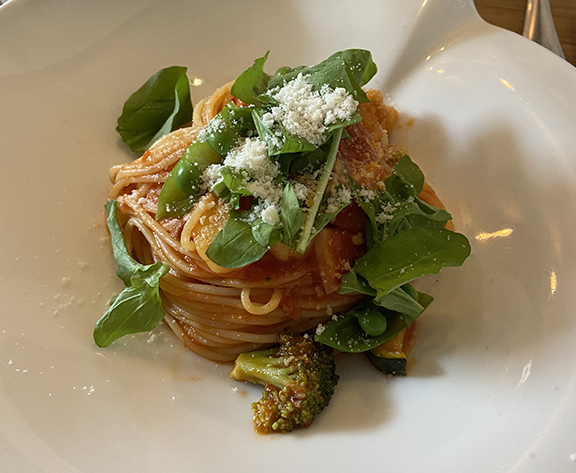
Figure 11: Pasta dish at restaurant in Kameoka, Japan. Photo by author, 2023.
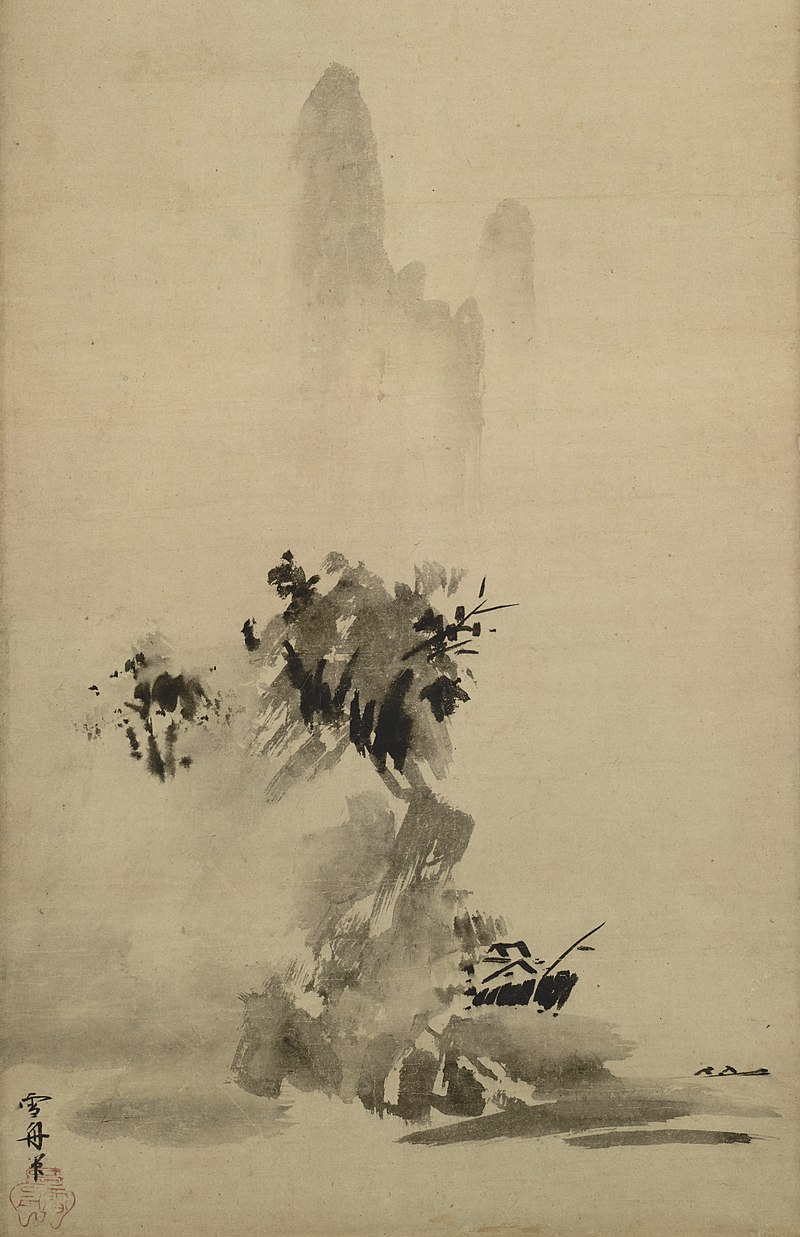
Figure 12: Splashed Ink Landscape (detail), Sesshū Tōyō, 1495, hanging scroll, ink on paper. H. 147.9 cm x W. 32.7 cm. Tokyo National Museum, Wikimedia Commons.
11. (Plus One) Innovation
My Neighbor Totoro is an excellent example of the innovation that is part and parcel of the arts of Japan and often encompasses several “threads” in a work of art. Early animation in Japan drew on influences from Western animation and then became something of its own, known internationally (adoption, adaptation, dissemination). My Neighbor Totoro was produced by Studio Ghibli, which was founded by Miyazaki Hayao (b. 1941) and Takahata Isao (1935–2018), and has produced consistently original anime. Playfulness and humor run through the visuals and storyline of the film. Nature spirits abide within a huge camphor tree that is ringed with a Shinto rope from which hang folded white papers, designating the tree as a sacred object. Nature permeates the film—rice fields, vegetable gardens, the wind, magical trees, and spirits like the Cat Bus, Totoro, and dust bunnies (house spirits?) that flee when the human family moves in. The use of ma—or rather, lack of dialogue—is present in not only the scene described above but in other scenes, such as the night scene when Totoro and the girls create a gigantic tree from a garden of acorns. No dialogue, only music to accompany the action as the tree blossoms from several sprouts into a large specimen, the girls take a ride through the countryside on a flying Totoro and then settle back at the top of the tree playing small flute-like instruments. Thus, within a single modern film, much like other Japanese anime, several threads of Japanese art are woven together in the creation of the film. Japanese arts came to be appreciated and sought after, particularly in the mid-to-late nineteenth century and later by Europeans and Americans. In the postwar period, since the mid-twentieth century, Japanese artists and art forms have become renowned internationally and have influenced global trends, as well as being influenced by them. Thus, Japan’s particular combination of artistic “threads” continues today in Japanese arts, popular culture, and consumer goods. It also impacts the international world of visual and material cultures even as the Japanese themselves continue to interact with global artistic trends.
Notes
1 Nobuo Tsuji, History of Art in Japan, trans. Nicole Coolidge Rousmaniere (New York: Columbia University Press, 2019), 190–191.
2 Kwon Ohyoung, “Cultural Exchange and International Interaction in East Asia as Seen through the Tomb of King Muryeong,” Journal of Korean Art and Archeology 2022, Vol 16, 13-23. https://www.ijkaa.org/v.16/0/13/4
3 The Arts and Crafts Movement originated in England in the Victorian period of the nineteenth century. Designers sought to improve decorative design in the face of industrialization, emphasizing beauty and fine handscraftsmanship. Japonisme was also a latter half of the nineteenth century movement in Europe and the U.S. in which all things Japanese were the rage, from fans and kimono to woodblock prints. Artists and craftsmen sought to incorporate elements of Japanese art into their work, including asymmetrical compositions, abstract elementsof color and line with use of negative space as a design element, and technical innovations in Japanese metalwork, ceramics, and printmaking (to name a few).
4 Ivan Morris, The Pillow Book of Sei Shōnagon (New York: Columbia University Press, 1991), 21.
5 See for example, Seiichi Mizuno, Asuka Buddhist Art: Horyu-ji, The Heibonsha Survey of Japanese Art (Tokyo: Weatherhill, 1974), 89.
6 Haruo Shirane, Traces of Dreams: Landscape, Cultural Memory, and the Poetry of Bashō (Stanford: Stanford University Press, 1998), 15.
7 Quoted in Haruo Shirane, Traces of Dreams: Landscape, Cultural Memory, and the Poetry of Bashō (Stanford: Stanford University Press, 1998), 13.
8 Brenda G. Jordan and Victoria Weston, ed., Copying the Master and Stealing His Secrets: Talent and Training in Japanese Painting (Honolulu: University of Hawai‘i Press: 2003), 27.
9 Hiroshi Nara, The Structure of Detachment: The Aesthetic Vision of Kuki Shūzō (Honolulu: University of Hawai‘i Press, 2004), 1, 109.
10 Kenkō Yoshida. Essays in Idleness: The Tsurezuregusa of Kenkō, trans. Donald Keene (New York: Columbia University Press, 1998), xxii.
11 See for example, Jordan and Weston, ed. Copying the Master and Stealing His Secrets.