
Hà Nội 1978: Images of Life in “Subsidy Period” Việt Nam
by Stephen Black
Download the PDF version of this article for classroom use
Stephen Black is a research fellow in the School of International Studies and Education at the University of Technology Sydney (UTS). He began his professional life as a high school history teacher before specialising in the field of adult literacy education. He obtained his PhD in 2001, and since then he has worked as a researcher in adult literacy education at UTS. Most recently he has published a multimedia resource focusing on historical photographic representation in Vietnam in the postwar era in the late 1970s (see Journal of Vietnamese Studies 20, no.2 [2025)] 176–209).
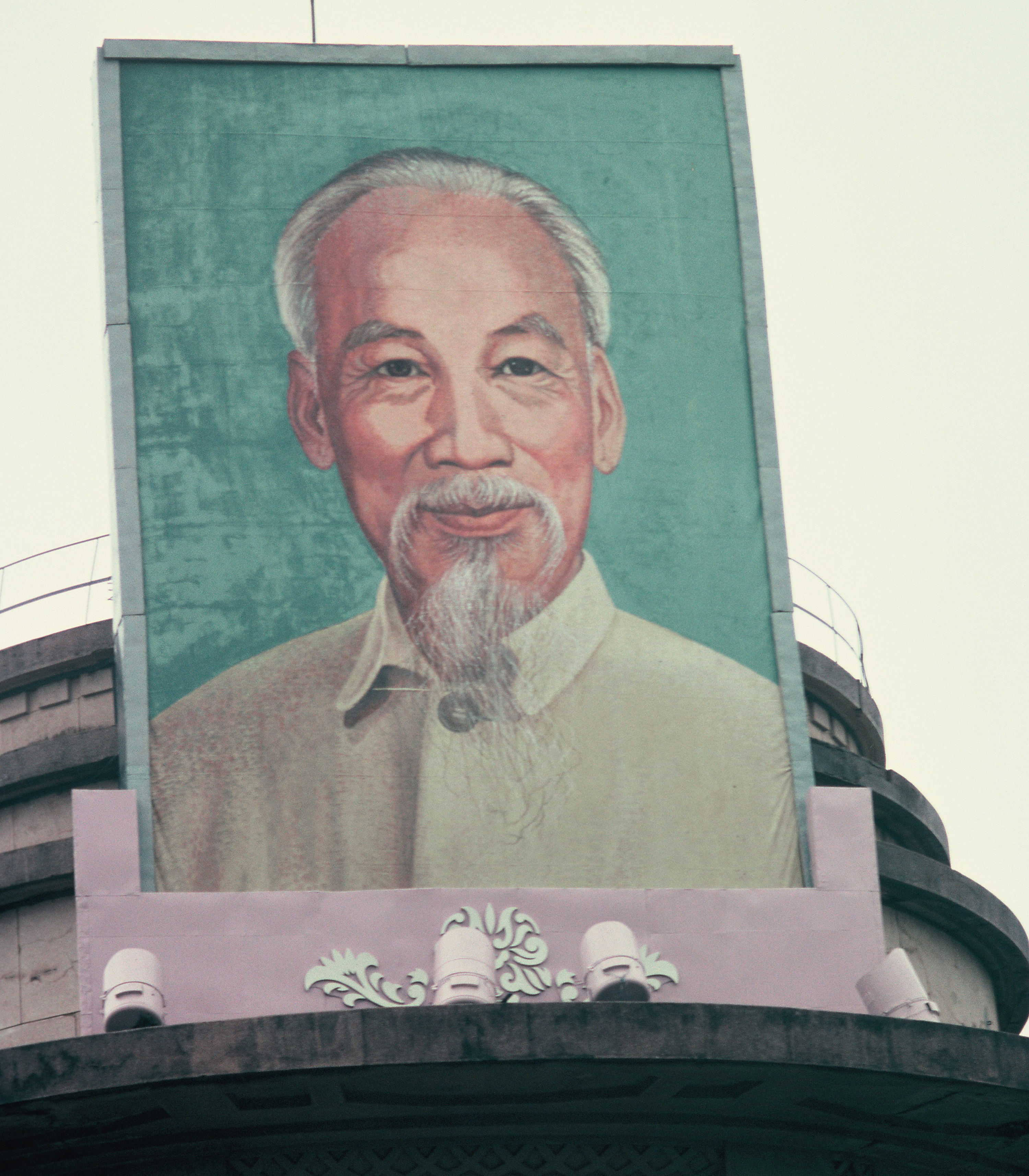
Figure 1. A portrait of “Uncle Hồ” (Hồ Chí Minh) overlooking Hà Nội city streets. Photo by author.
Introduction
This article features photographs taken in Hà Nội in August 1978, an early year in a decade (1975–1986) in Việt Nam termed the “Subsidy Period,” or colloquially, the Bao Cấp Era. It was a period of high socialism and austere living that followed the ending of the “American War” (the Second Indochina War 1955–1975) and the political reunification of the north and south of Việt Nam. During this period, the economy was centrally planned, with the government providing subsidies—money granted to industries or businesses—to maintain control over incomes and prices. Citizens were required to obtain government-issued coupons to purchase scarce supplies of food and other consumer goods. Free private trading existed only in the informal “black market.” By 1986, economic conditions had become so dire that market reforms—known as Đổi Mới (Renovation)—were introduced. These reforms were initiated by the Communist Party of Việt Nam and represented incremental shifts away from the command, or centrally planned, economy to one that introduced market forces and a degree of private ownership.
The photographs are significant insofar as, until more recently, this period of Việt Nam’s history has been neglected in official documentation and research, reflecting the country’s “uncomfortable” past.1 This decade of extreme austerity and deprivation has been described as “the darkest for Việt Nam in a history of many hard times.”2
I visited Việt Nam in August/September 1978 as part of an educational tour organized by a professor of education at La Trobe University in Melbourne. I was a high school history teacher at the time and an avid photographer. Our tour included Hà Nội in the north—the focus of this article—and Hồ Chí Minh City in the south.3 It was rare for Westerners to be permitted to visit Việt Nam in this early postwar era and there was little photographic documentation of everyday life. An exception was the photography of a member of the British diplomatic staff in 1980–1982, John Ramsden, who commented that he was “one of a handful” of Westerners living in Hà Nội.4 In this article, I provide a collection of previously unpublished photographs that I took while traversing the streets of Hà Nội on our tour. The purpose of the article is to provide a visual resource that helps to illuminate aspects of everyday living in Hà Nội during this subsidy period. The accompanying text, drawing on English language secondary sources, provides historical and socio-political context to the photographs.
High Socialism in the Subsidy Period
While it is common to refer to the period 1975–1986 in Việt Nam as the subsidy period—particularly following a 2006 exhibition in Hà Nội’s Museum of Ethnology entitled Life in Hà Nội in the State Subsidy Period (1975–1986),5—some researchers link this period back to 1954.6 This was the year that the French colonial forces were defeated (the First Indochina War)7 by the Viet Minh, a mainly communist coalition led by Hồ Chi Minh8 that had been fighting for Việt Nam’s independence. This was followed by the socialist government of the Democratic Republic of Việt Nam,9 with Hồ Chí Minh as its president and Hà Nội its capital. But Hồ Chi Minh’s socialist regime extended only to the north of Việt Nam, as a postwar international agreement (the 1954 Geneva Accords)10 had partitioned Việt Nam into north and south at the 17th parallel. For the next two decades there was military conflict between north and south, with the latter regime—the capitalist Republic of Việt Nam11—supported primarily by the United States (the Second Indochina War)12. Thus, while the subsidy period is commonly viewed to have begun in 1975, the year the communist forces of the north overran Sài Gòn and subsequently reunified the country, state subsidies under a socialist regime began in the north two decades earlier.
On the streets of Hà Nội in 1978 there were numerous visual reminders of the significant role of the founder of the Vietnamese state, Hồ Chí Minh (who died in 1969), with prominent public displays of his portrait in the city (see figure 1 on page 1). There were also prominent public billboards highlighting “Uncle Hồ’s” inspirational legacy, the role of the military, and the need to work together in the interests of the recently reunified socialist country (figure 2).
This was a political era of “high” socialism in Việt Nam, a doctrinaire Soviet model of socialism based on Marxism-Leninism. The Soviet Union provided important ideological, military, and economic support to the north during the war years and in the postwar reconstruction era. During this era, many thousands of Vietnamese people were sent as “contract workers” to factories in socialist countries, particularly the Eastern European countries of the Soviet Union, including East Germany, Bulgaria, and Czechoslova-kia.13 Many thousands of others, particularly in the south of Việt Nam, fled the country illegally as “boat people,” due to political repression and economic hardships associated with the socialist regime of the subsidy period.
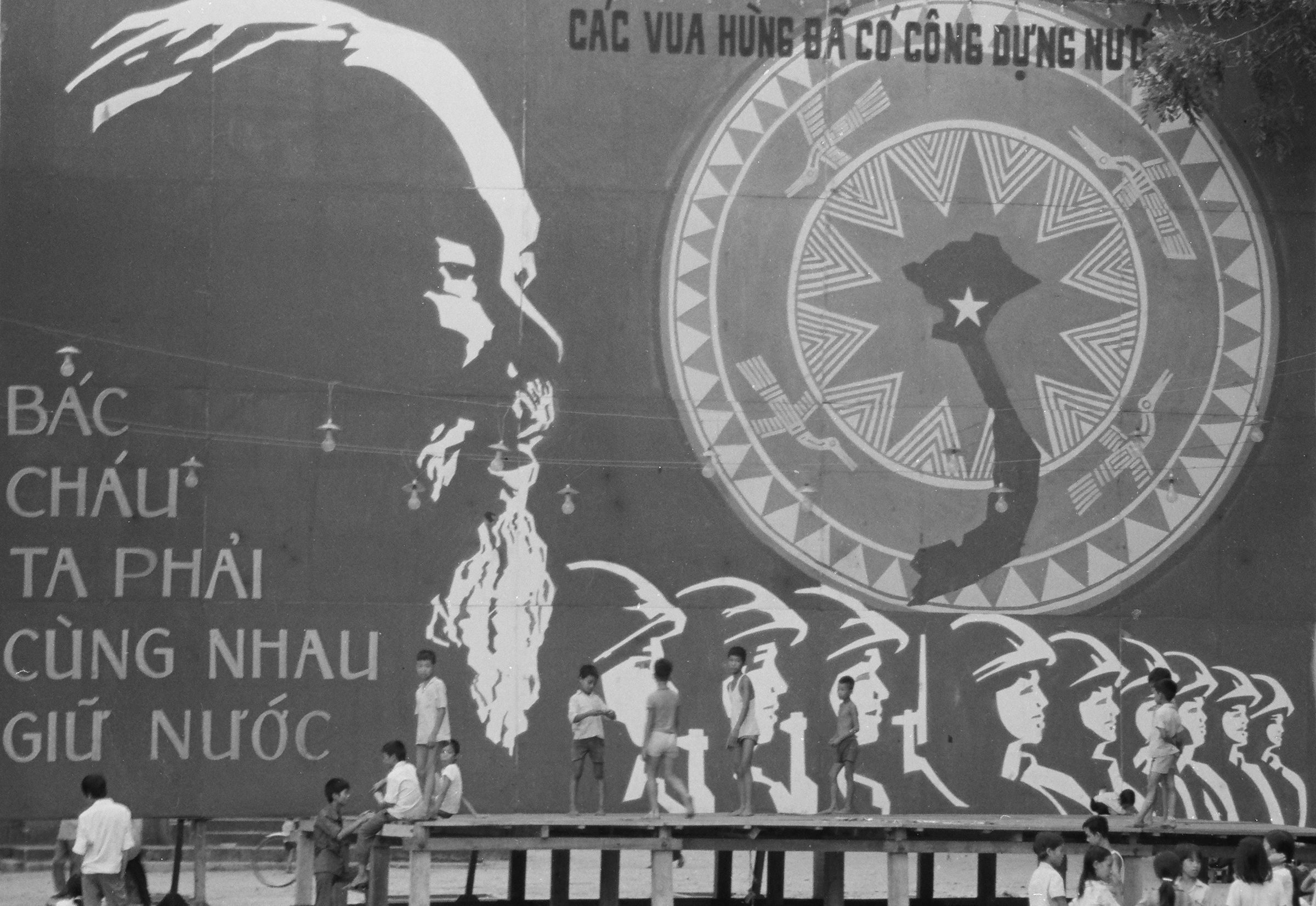
Figure 2. A large billboard in a Hà Nội street in 1978. Photo by author.
Collectivization and Food Shortages
The process of redistributing wealth and managing a planned economy entailed the collectivization of all production—agricultural and commercial/industrial—and this proved to be highly problematic to administer. Prior to 1975 in the north, during the emergency conditions of two decades of war, deficiencies and hardships associated with collectivization, particularly in agriculture, were obscured to a large extent in the interests of national defense. Victory in war was the primary objective and local community economic deprivations were secondary factors. In the post-1975 subsidy period, in the wake of victory in the war against the United States and its allies, the people of Hà Nội expected, and were promised, improved economic conditions, but they continued to experience deprivations, especially food shortages, as collectivization failed to provide adequately for the population’s needs. Rice shortages were not new for the citizens of northern Vietnam; indeed, several decades earlier in 1944–45, there was a major famine during which up to two million people died from hunger.14 Rice production in the north had declined during the time that Hồ Chí Minh established a socialist government in 1954. In large part this was because the government’s official pricing system provided little remuneration, and thus incentive, for village farmers to produce for their local cooperatives. In the “outside” market (the informal “black” market), farmers could receive many times higher prices for their produce. This was a key aspect of many grievances in rural farming cooperatives that involved local “everyday politics.” Others included lack of trust in officials, poor governance, perceived inequities in the distribution of rewards and privileges, and corrupt officials. Rural rice growing communities were largely impoverished (see figure 3), and ultimately, over the course of the decade of the subsidy period (1975–86), these local politics accounted for the process of decollectivization.15
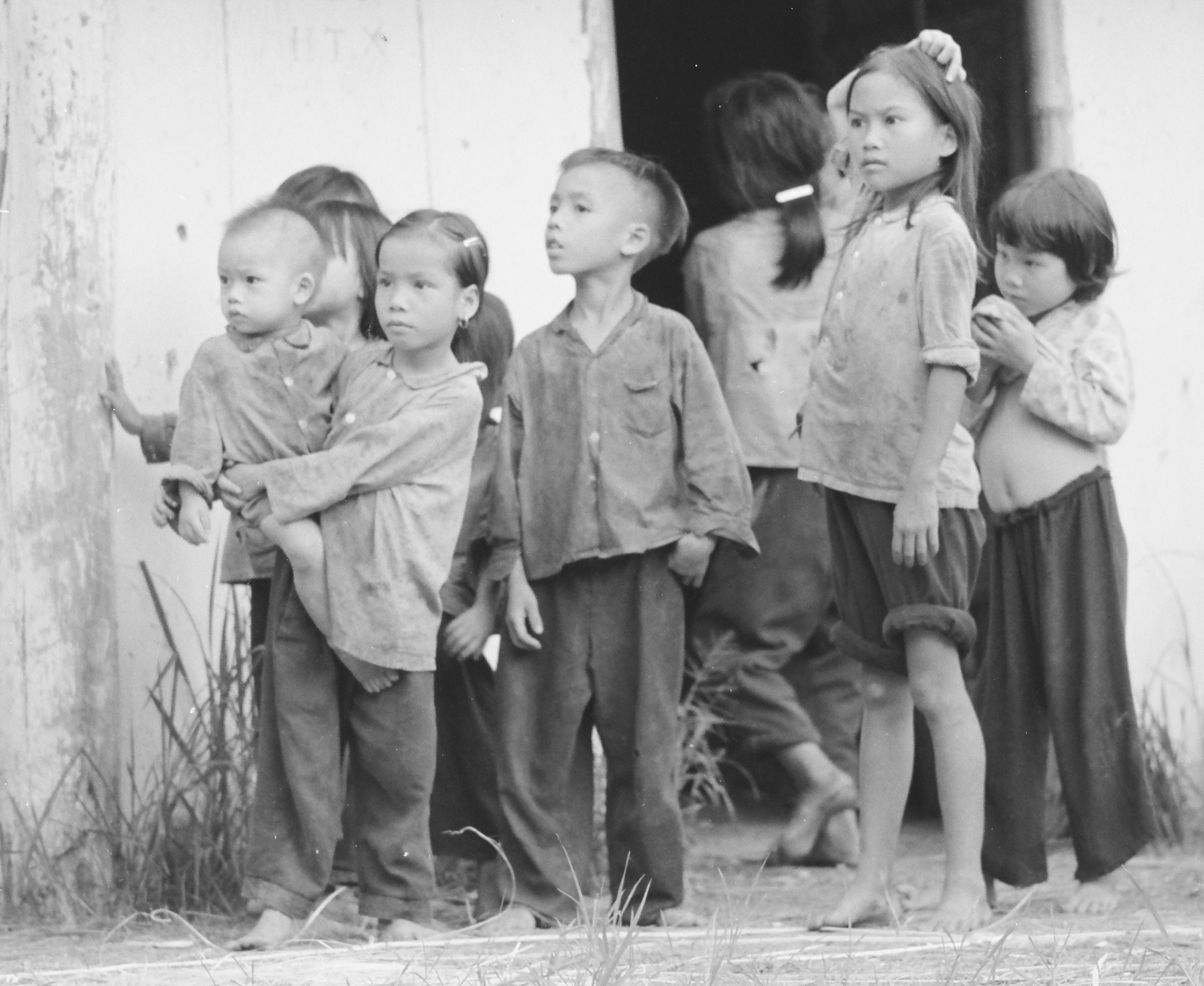
Figure 3. Local children in an impoverished farming community in Hoa Binh Province, south-west of Hà Nội. Photo by author.
Other factors which contributed to food shortages in Hà Nội included Việt Nam’s postwar international trade isolation, in part the consequence of a US trade embargo. There was also the failure of the traditional “economic complementarity” argument that in a postwar unified Việt Nam, the industrial north and the agricultural south (i.e. the Mekong Delta rice bowl)16 would complement each other.17 The effects of the war, however, had limited rice production in the south, and attempts to implement collectivization in the Mekong Delta post-1975 were met with resistance from farmers, with rice production declining to a level insufficient for population needs.
In the past two decades, particularly since the 2006 Hà Nội exhibition Life in Hà Nội in the State Subsidy Period, (1975–1986), researchers have highlighted the everyday experiences of ordinary Hà Nội residents during this period, especially those involving food shortages. Food was strictly rationed and was obtained by using government issued tickets and coupons. In some cases, queues for food extended for more than half a kilometer. A common joke at the time was that the acronym for socialism in Vietnamese really stood for “stand in line all day.”18 Some factories at the time were required to provide “eating halls” and other welfare services for their workers so that factory production levels could be maintained. Insufficient and poor-quality rationed food meant that a great many citizens were forced to turn to the “outside” market to survive (see figures 4 and 5 showing traders in this market). The problem, however, was that outside market prices were prohibitive for most citizens whose wage levels were set and suppressed by the government. According to one account, the price of basic foodstuffs increased by 2000% in the decade 1975–1986.19 Food shortages and people’s decline in purchasing power caused many families to try to supplement their rations by producing their own food that was not rationed. Urban husbandry became common, with people growing vegetables and raising poultry and pigs in cramped apartment spaces. Catching fish in Hà Nội’s lakes and rivers was an important source of additional food (figure 6).
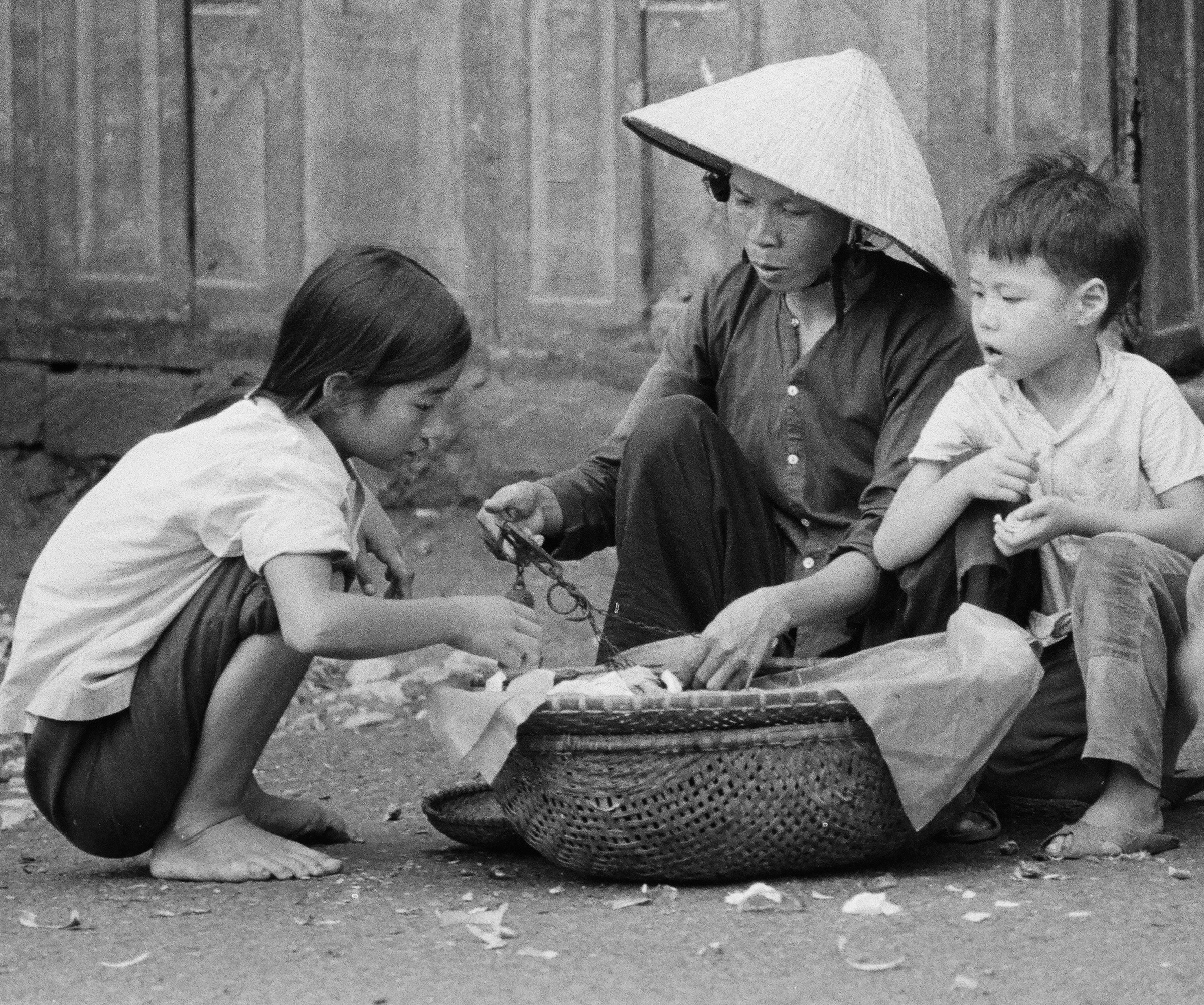
Figure 4. Selling food in the “outside” market. Photo by author.
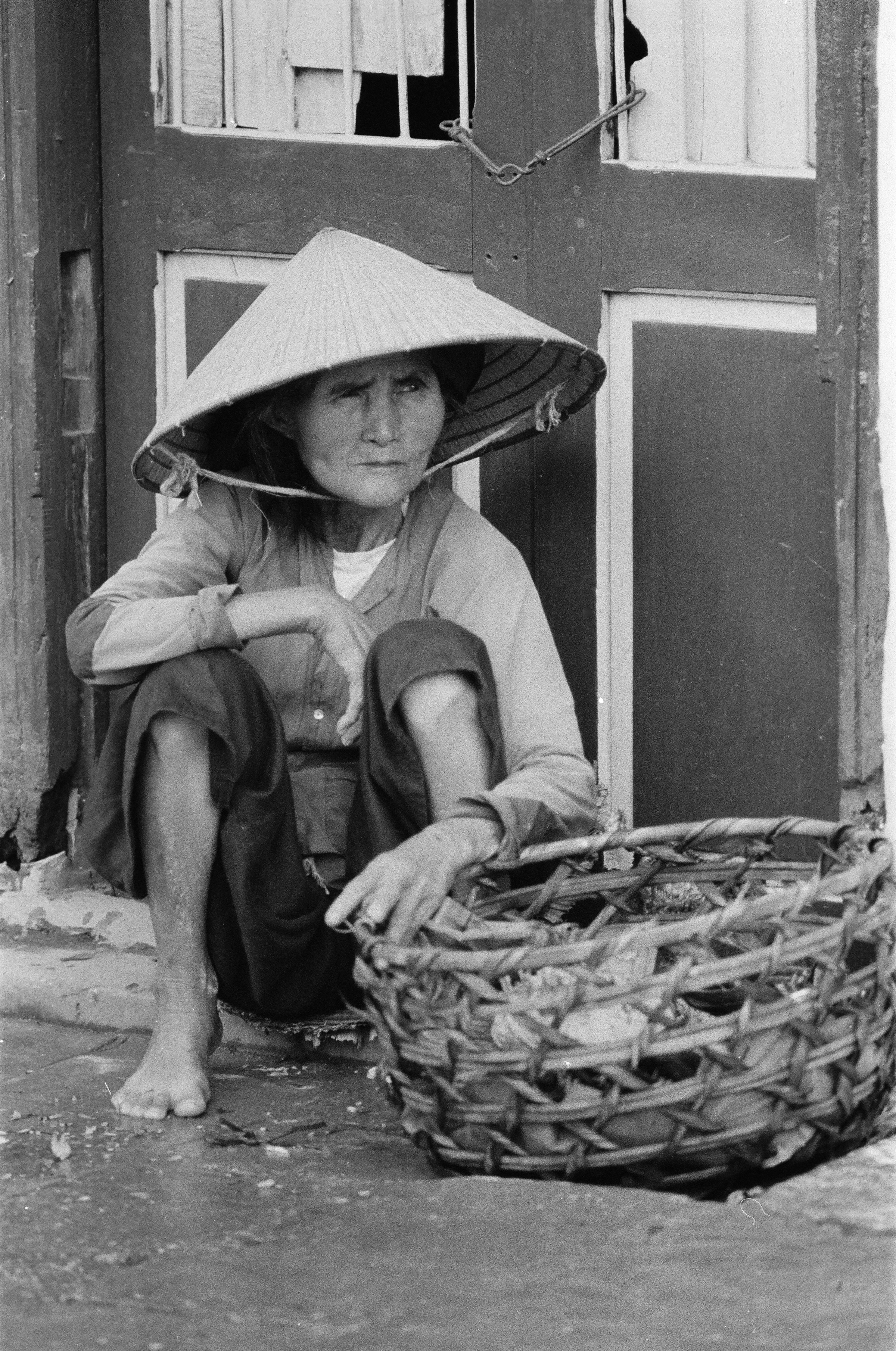
Figure 5. A street vendor selling vegetables in the “outside” market. Photo by author.
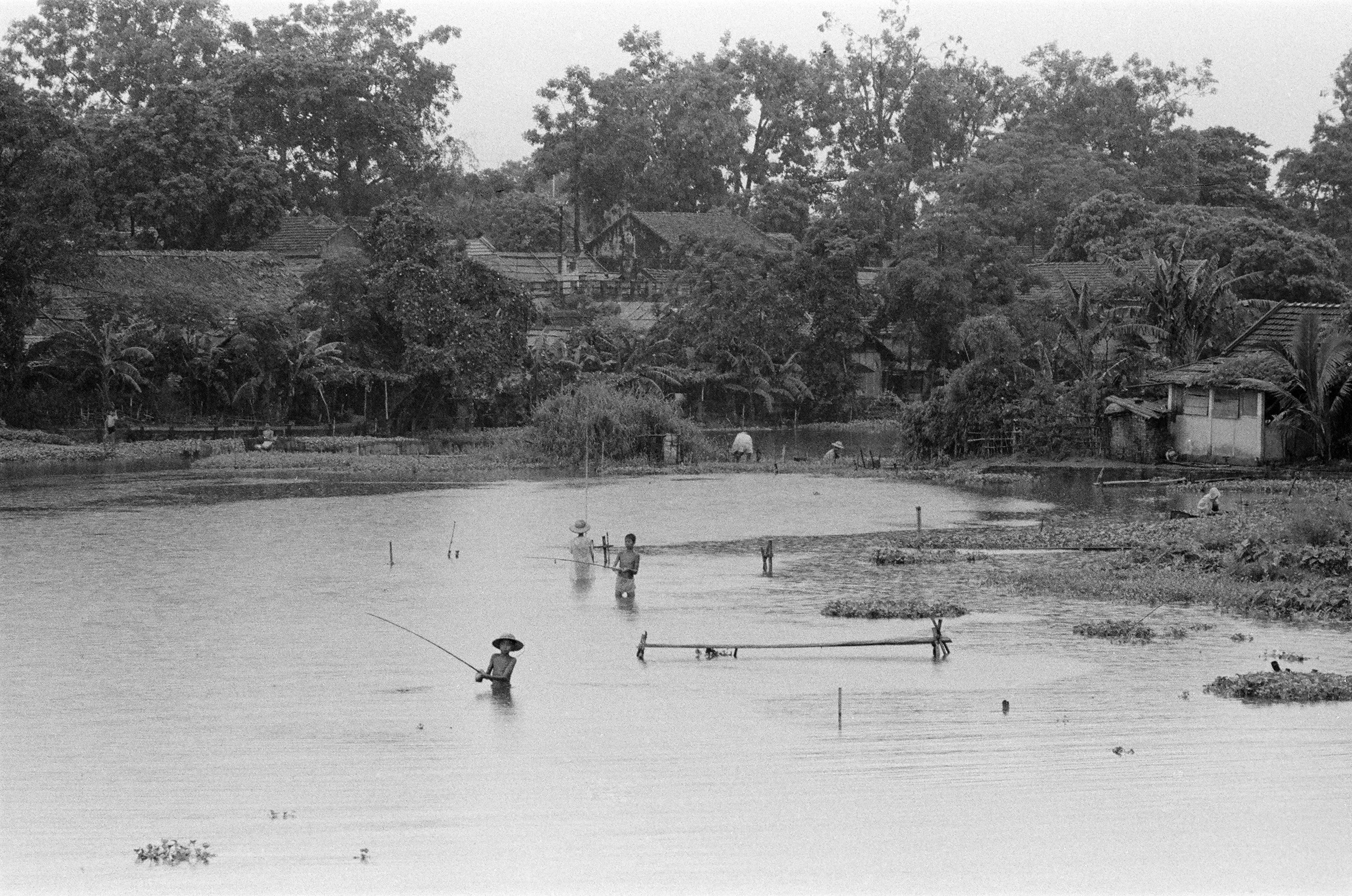
Figure 6. Fishing in a lake on the outskirts of Hà Nội. Photo by author.
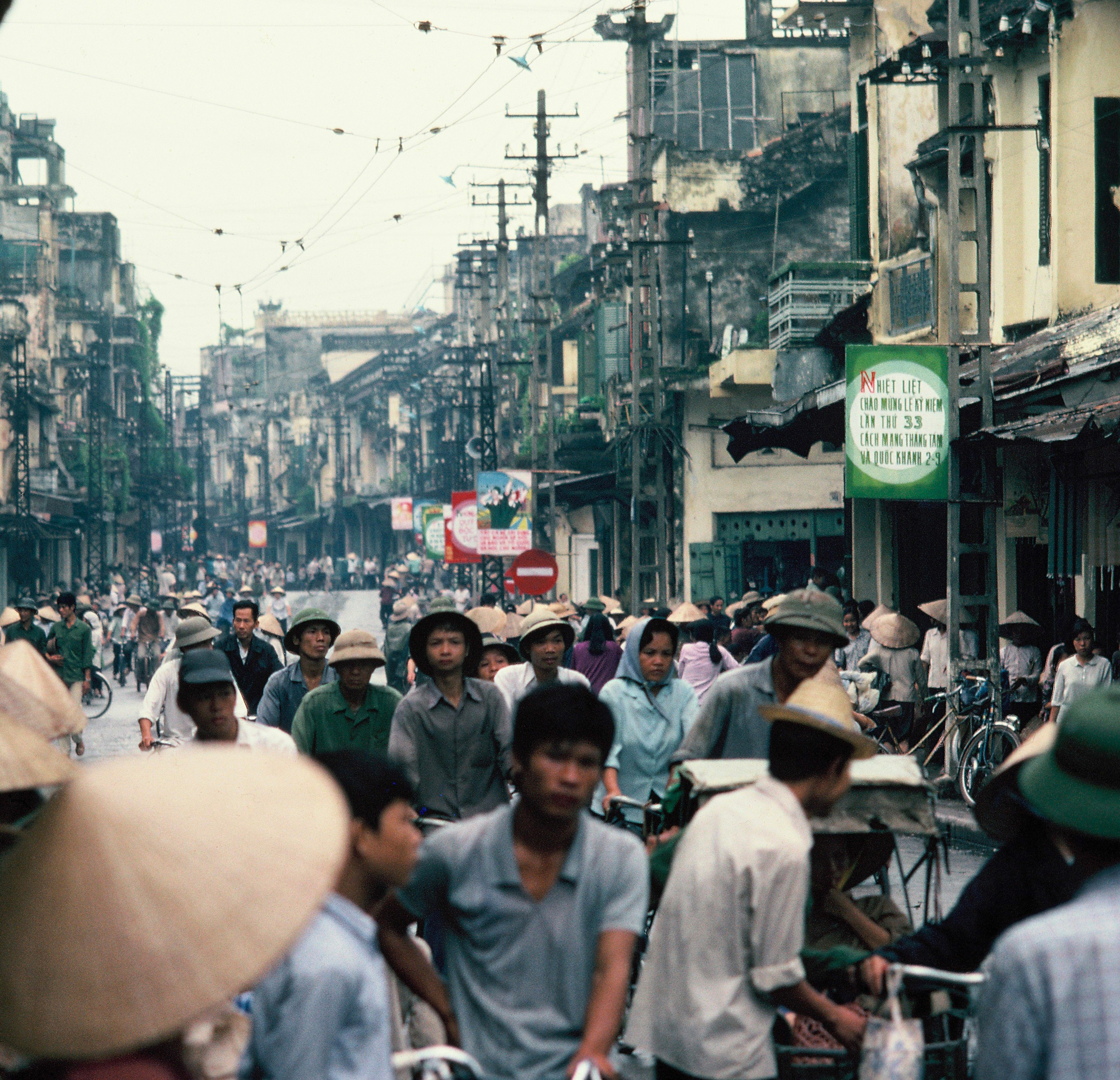
Figure 7. A busy Hà Nội street. Photo by author.
Poverty and Everyday Life
It was not only food shortages that characterized the subsidy period, but the lack of all consumer goods and services. Hà Nội, after years of war, had the look of a city lacking in development, compared for example, with Hồ Chí Minh City, which had received Western capital for much of the previous two decades. Figure 7, for example, shows a busy street scene in central Hà Nội featuring ageing infrastructure. Exacerbating the lack of development had been the destruction in Hà Nội just six years earlier towards the end of the war, in December 1972, when the city experienced extensive bombing by US forces in the so-called “Christmas bombing” ordered by the Nixon administration. For eleven days, a total of 20,000 tons of ordnance were dropped on Hà Nội and surrounding areas, the heaviest bombing campaign since the end of World War II.
There were few motor vehicles on Hà Nội streets, and bicycles were the main form of transport (figure 8), augmented by trishaws (figure 9), and an ageing and heavily patronized tram network in which younger people preferred travelling externally on the rear carriage (figure 10).
A manifestation of the austere living conditions in Hà Nội was people’s appearance; how they dressed. One researcher cited a representative from the south who commented, following reunification, that “Hanoi women are white shirt women”20 (figures 11 and 12). This observation no doubt reflected poverty and/or the lack of choice and availability of alternatives, but this dress uniformity might also be seen to reflect the “collective spirit” of a more egalitarian socialist society.
Housing conditions for a great many Hà Nội residents were dire and usually featured overcrowded and poorly maintained living quarters (figure 13). Contemporary accounts by grandparents and parents reflecting on their lives back in the 1970s describe accommodation spaces that were small and overcrowded, kitchens and toilets that were communal, and rooms that were leaking and in a poor state of disrepair.21
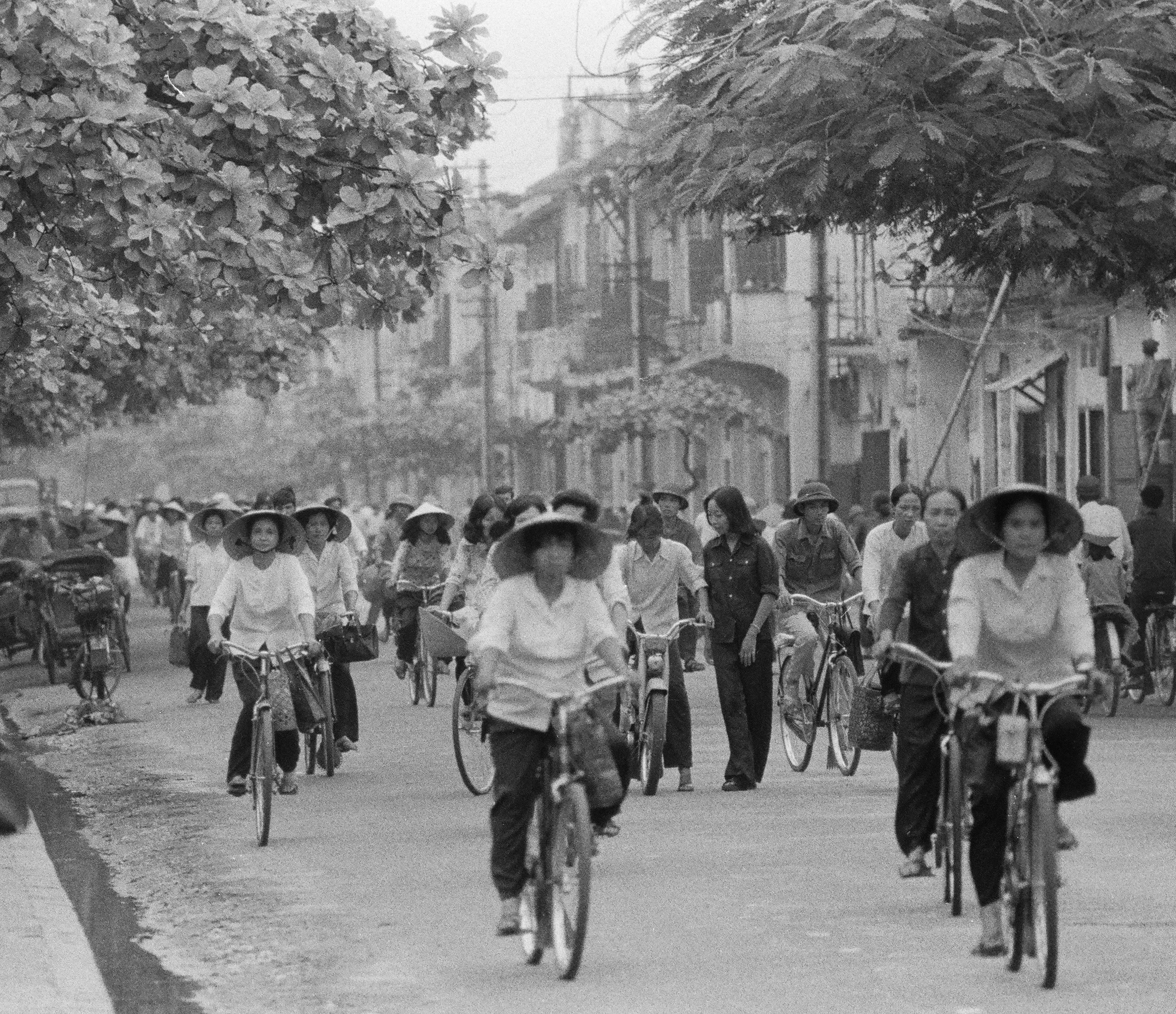
Figure 8. Bicycle travel in Hà Nội. Photo by author.
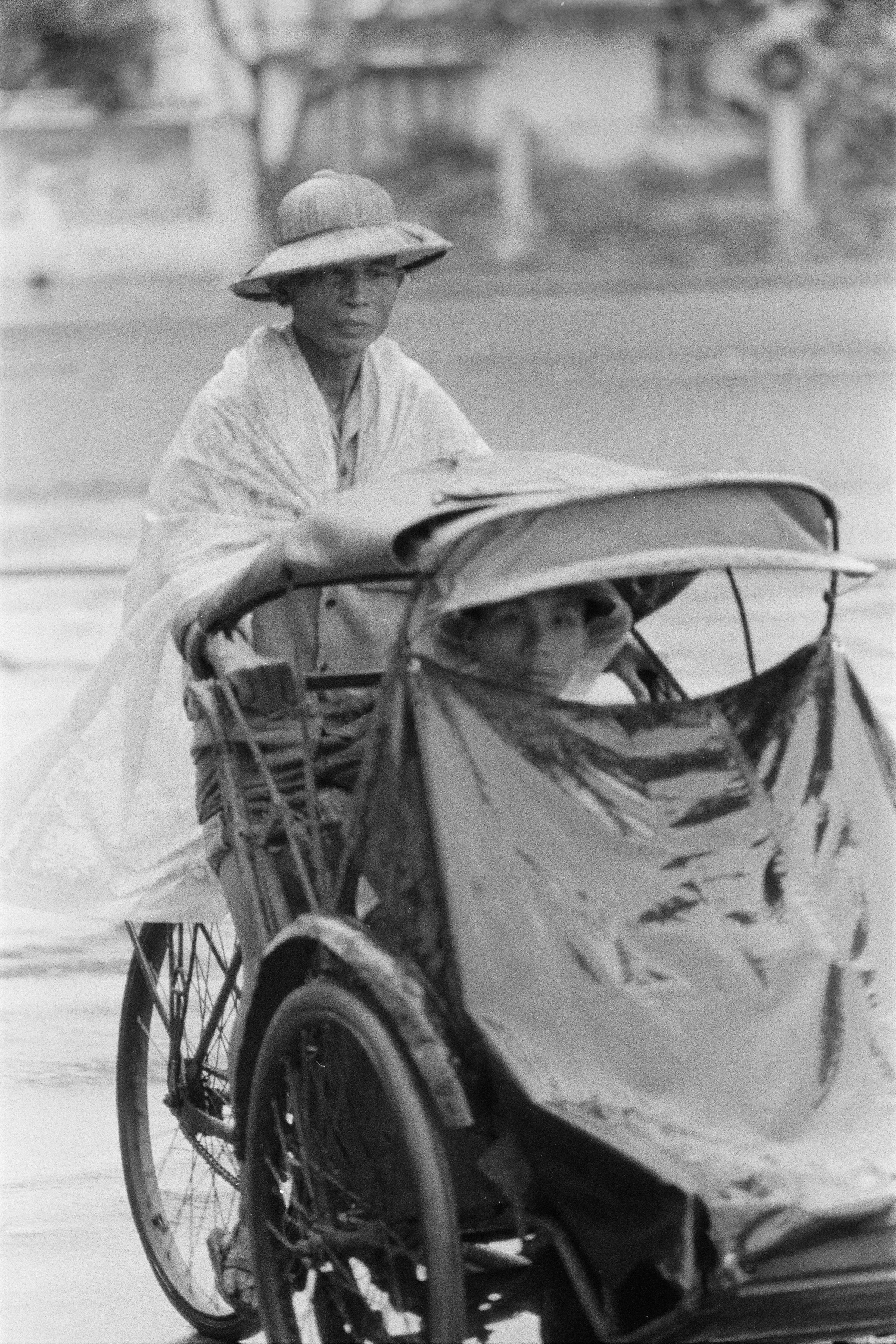
Figure 9. Trishaw travel in Hà Nội. Photo by author.
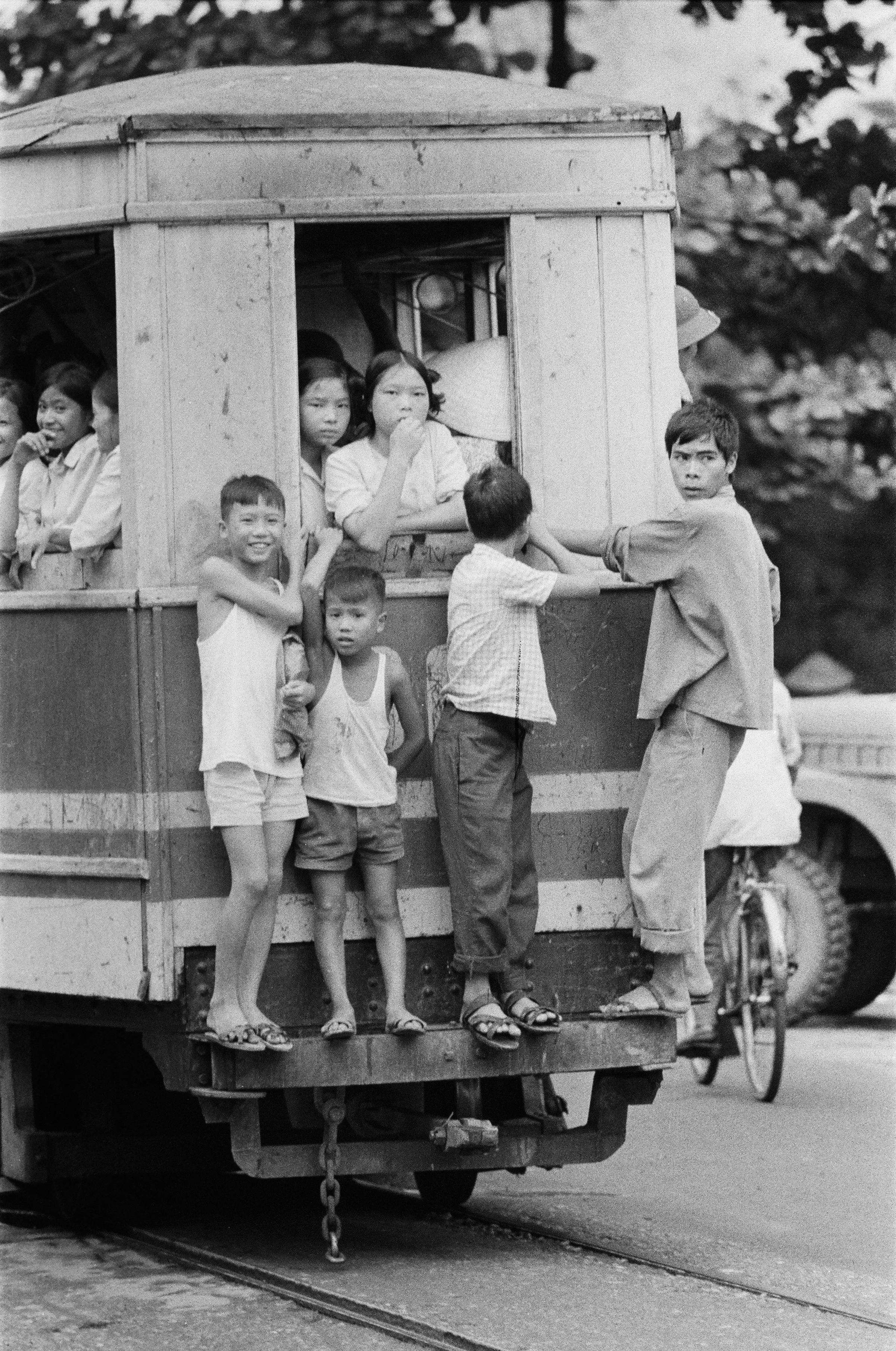
Figure 10. Tram travel in Hà Nội. Photo by author.
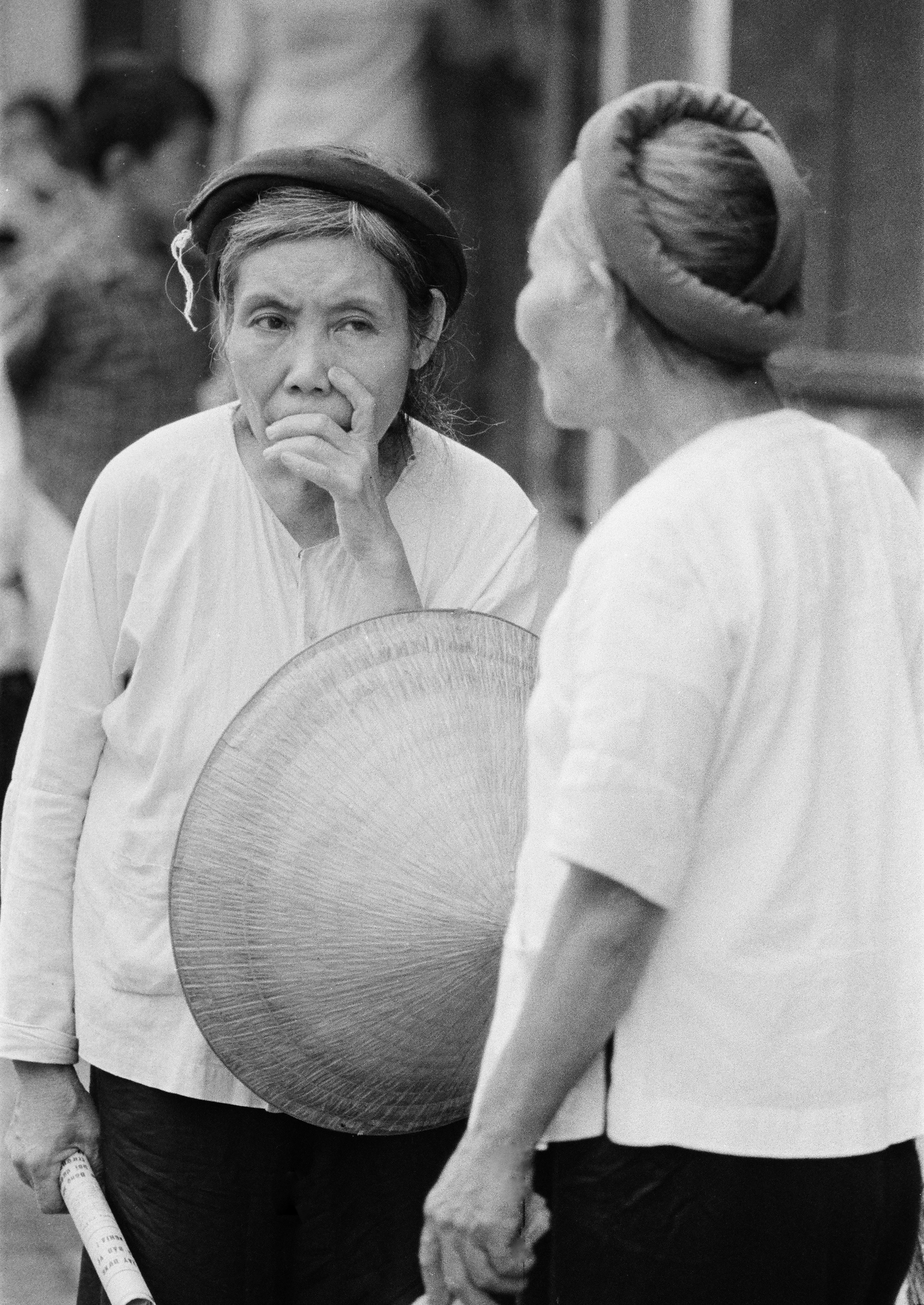
Figure 11. “White shirt” women of Hà Nội. Photo by author.
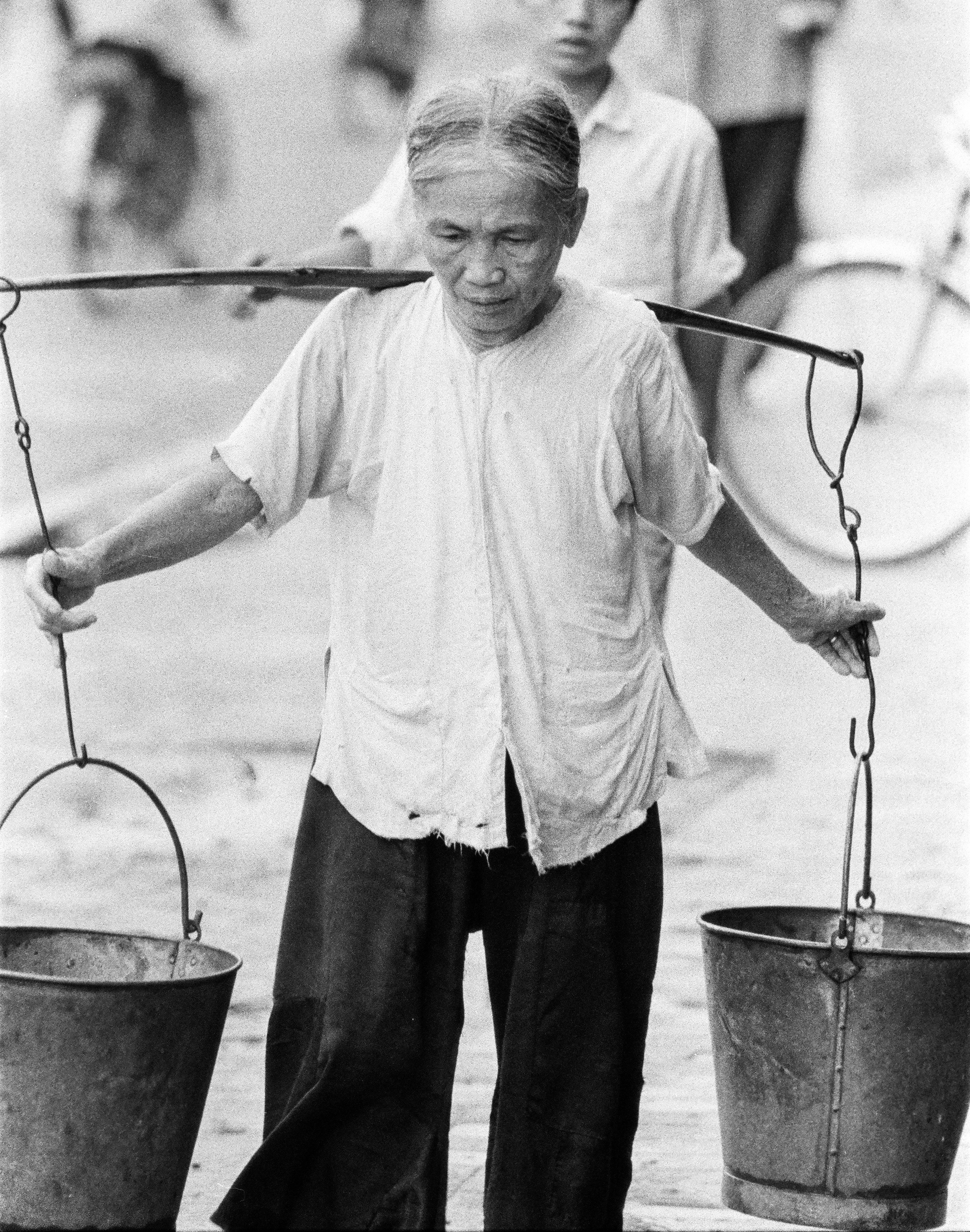
Figure 12. A “white shirt” woman of Hà Nội. Photo by author.
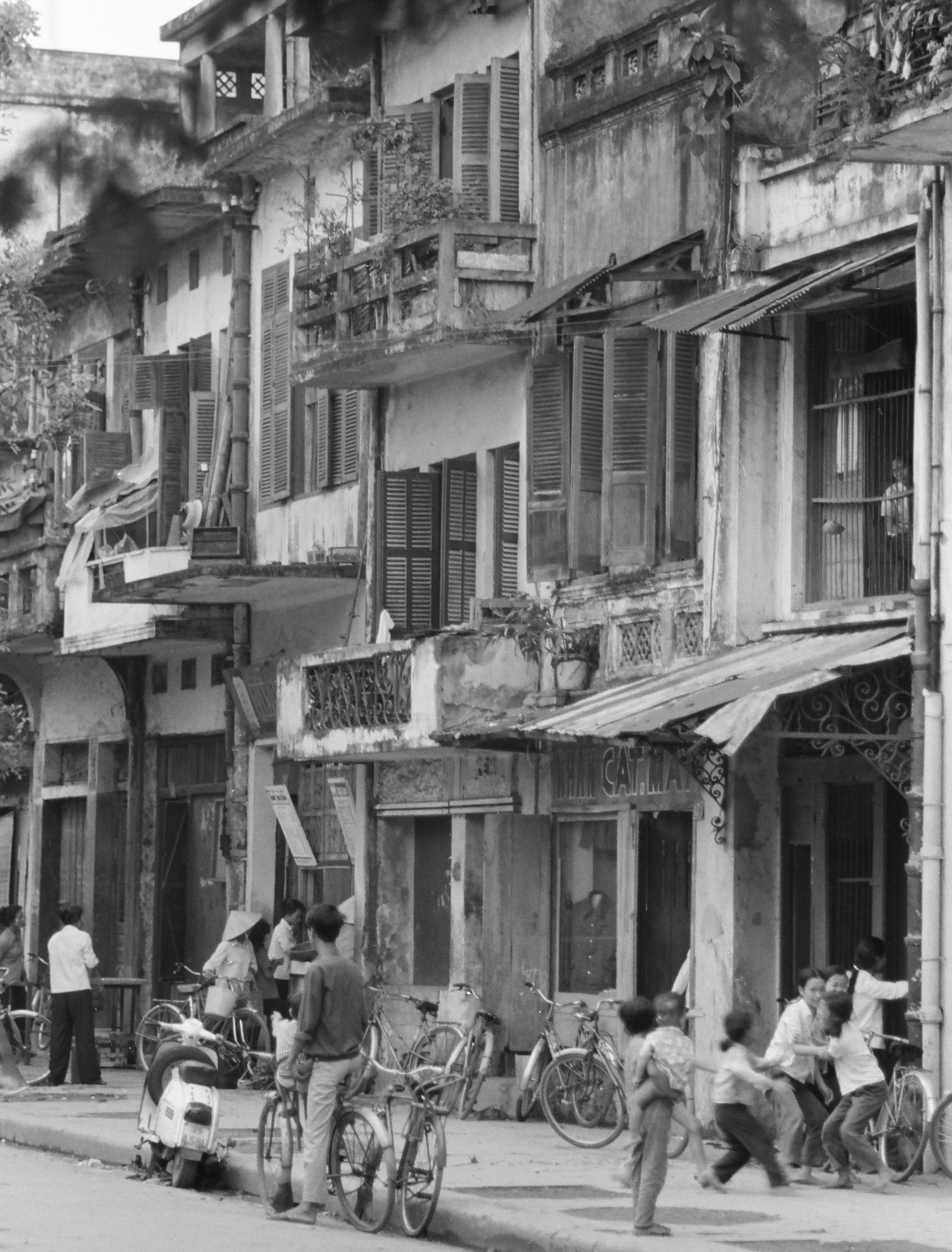
Figure 13. A Hà Nội tenement. Photo by author.
Working Lives
Working lives for many Hà Nội residents involved physically demanding, manual labor (figure 14), and the sparse automotive transport that was available was likely to be ageing and adapted for various uses (figure 15). Pedal-powered transport was essential for many workers (figure 16).
With stagnant wages and spiraling inflation, and with many people unable to obtain sufficient food, surviving in Hà Nội necessitated taking on additional work in the “outside” market. Researchers of the everyday lives of ordinary Hà Nội residents have described the resilience and creativity forced on people by their dire economic circumstances. “Outside” activities included work such as tailoring—fashioning clothes from industrial-grade flour sacks, and cutting and redyeing old clothes, or bicycle repairs—sewing and grafting damaged inner tubes, and machine cogging wheels by hand.22
There was a lack of consumer goods available in Hà Nội and the main source of consumer goods was from the south, particularly the former Sài Gòn, as part of a post-1975 movement known as “the south receives relatives, the north receives goods.”23 Some consumer goods such as the “southern bicycle” were highly prized in Hà Nội (figure 17). Another source of scarce consumer goods was from Vietnamese contract workers sent overseas to Eastern bloc countries, including the Soviet Union and East Germany. Often these workers sent their wages home in the form of consumer goods and gifts to family members.24 Lack of consumer goods meant that many everyday items had to be fashioned locally by hand using available resources, particularly wood (figure 18).
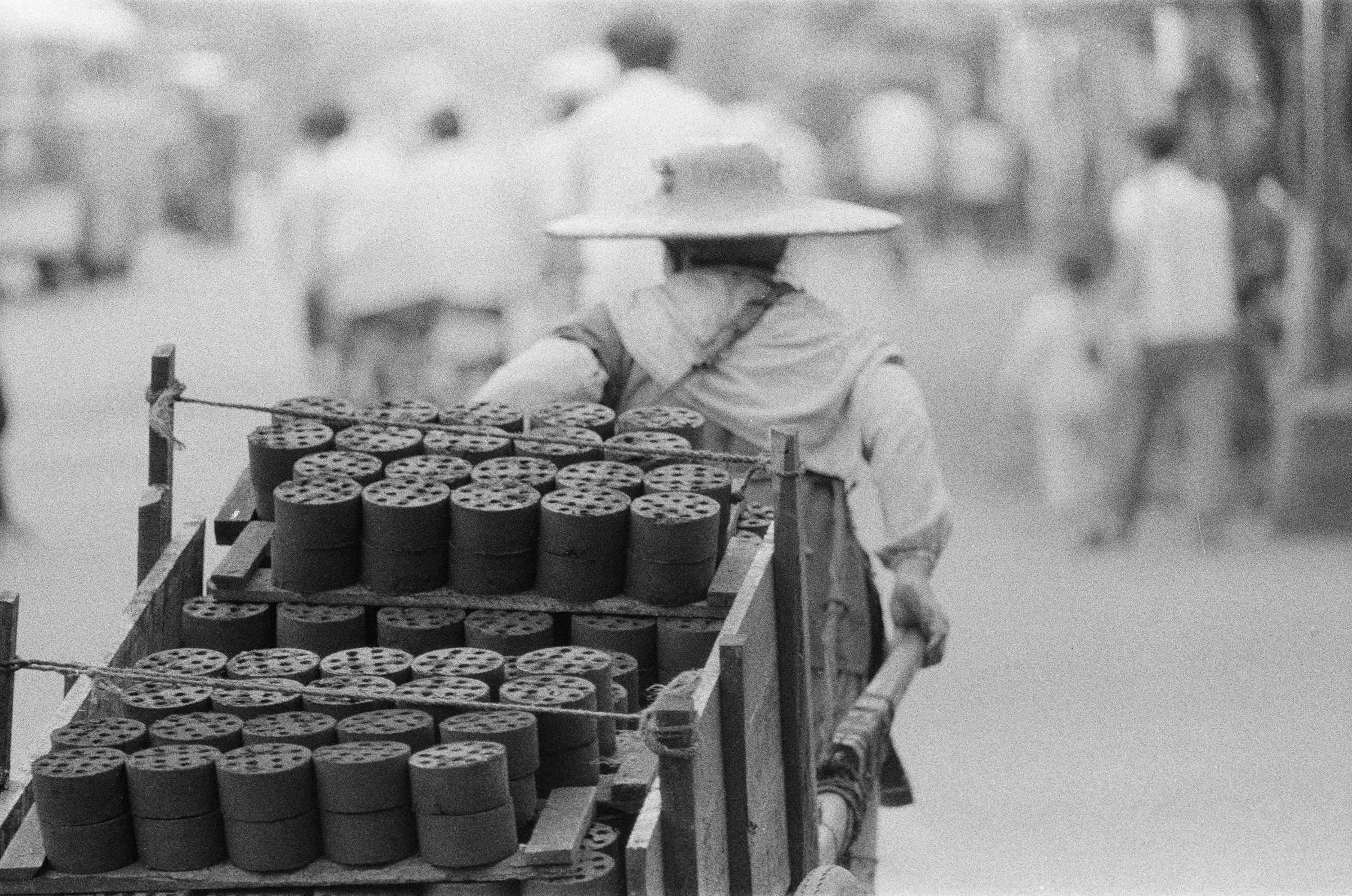
Figure 14. Transporting bricks. Photo by author.
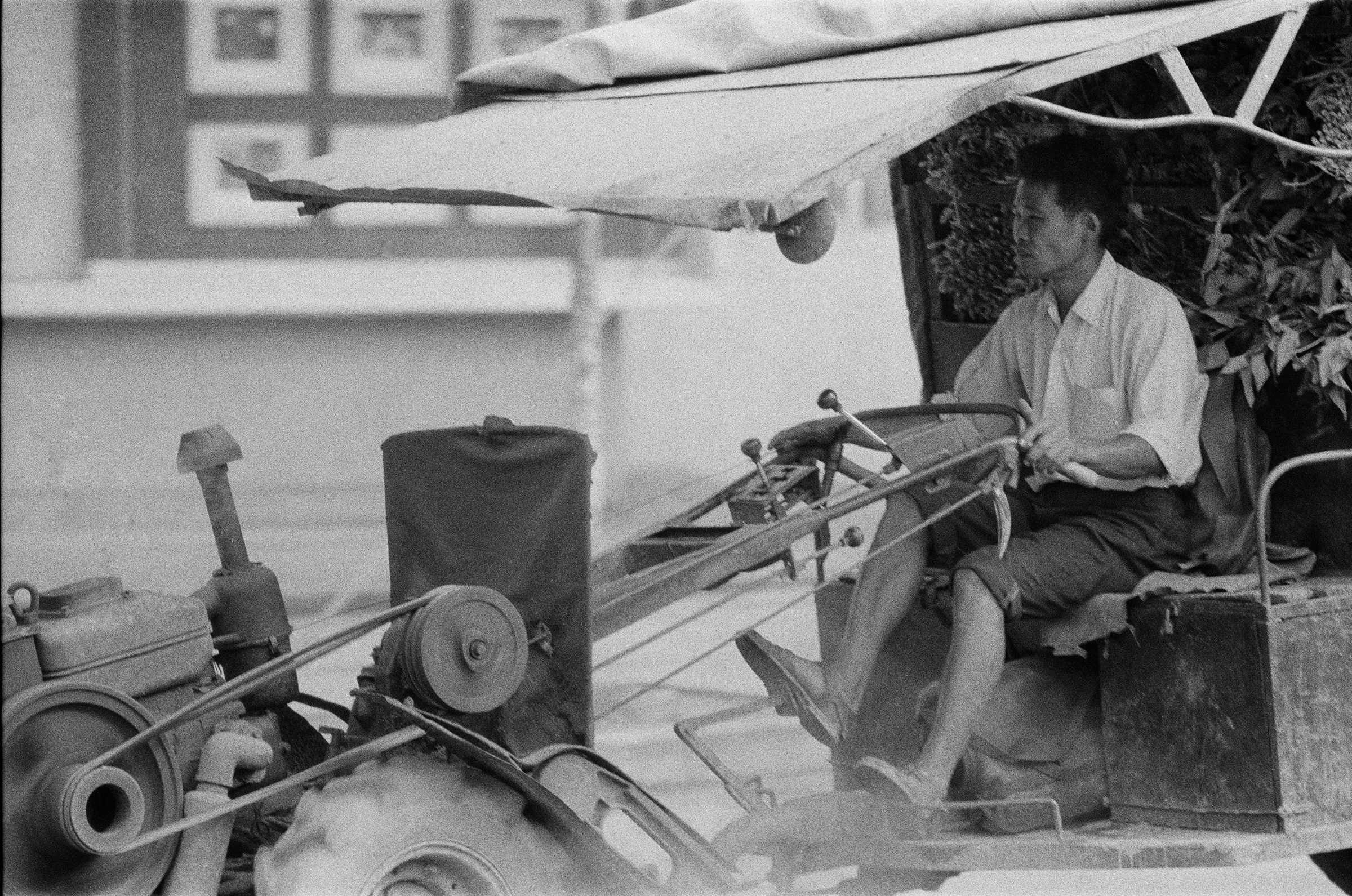
Figure 15. An agricultural-type vehicle in a Hà Nội street. Photo by author.
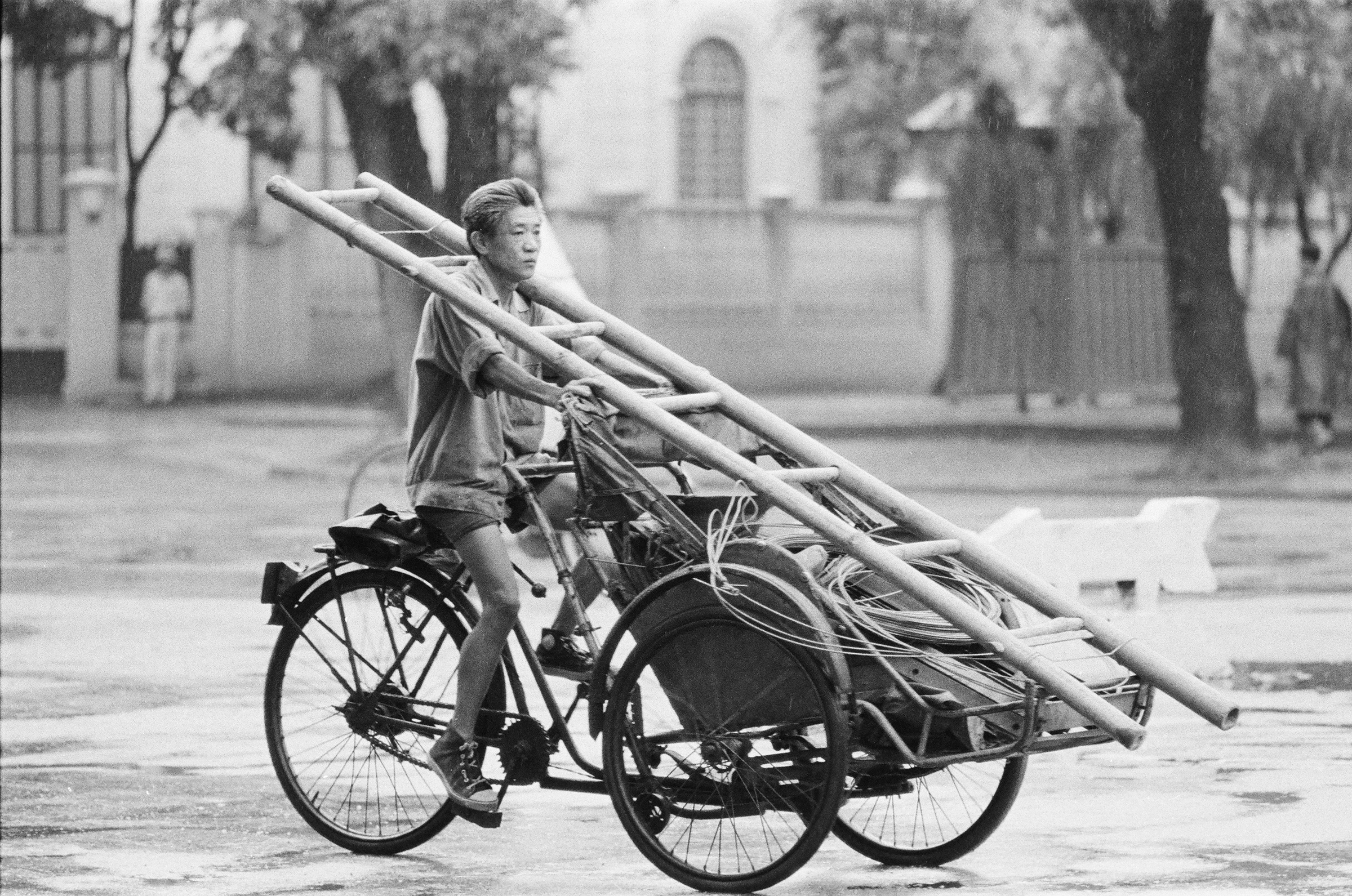
Figure 16. The adaptive use of a tricycle for work purposes. Photo by author.
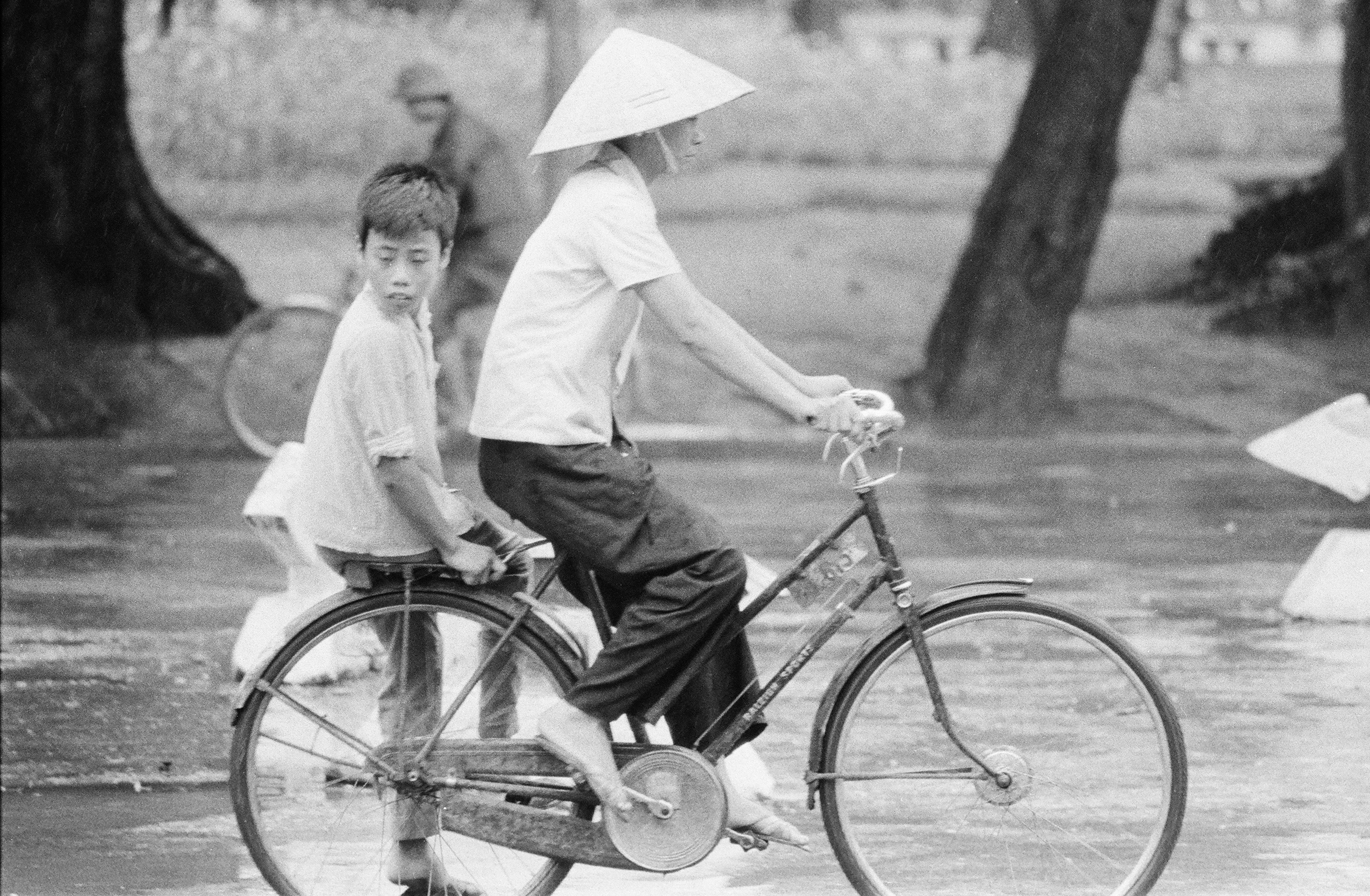
Figure 17. With the markings “Raleigh Sports” (Raleigh was a UK bicycle company), this would have been a prized “southern bicycle.” Photo by author.
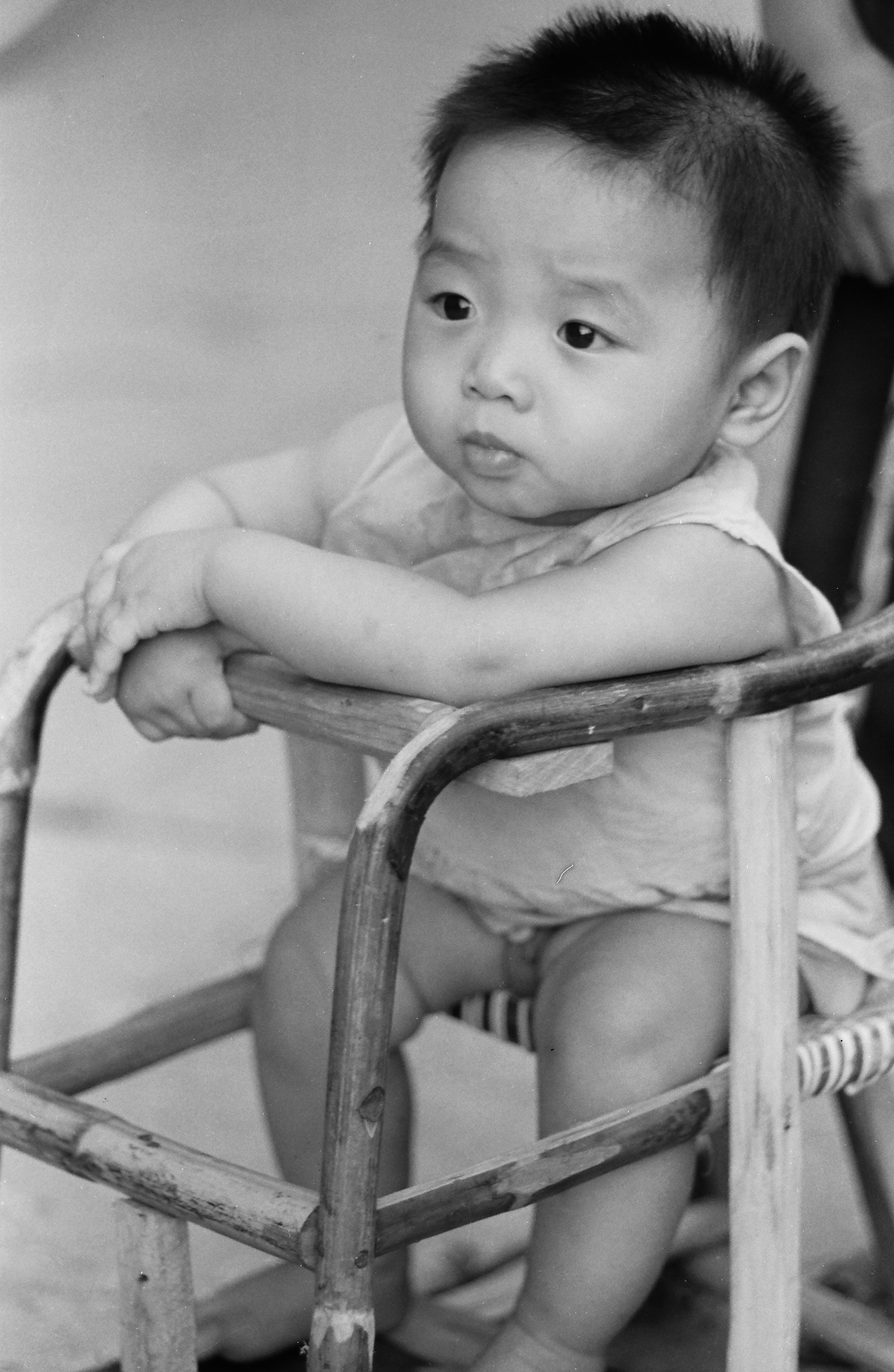
Figure 18. Utilizing a hand-made wooden baby frame. Photo by author.
The End of the Subsidy Period
At the time of our visit to Hà Nội in 1978, economic conditions were deteriorating to the point of a major crisis. Later in that same year, Việt Nam was again at war, firstly with Cambodia, and then soon after, in early 1979, with China. These wars exacerbated the shortage of ration goods in Hà Nội and the shift towards people’s dependence on the “outside” market, contributing to the “effective collapse” of central planning in 1979–80.25 Over the next few years, the government approved output contracts that enabled farmers to sell their surplus produce on the open market, and in urban areas there was tacit acceptance by the government of people’s increasing reliance on additional income from “outside” market activities. But by the mid-1980s, Việt Nam’s economy was precarious, and the ruling Communist Party initiated economic reforms known as Đổi Mới26 sought to transition Việt Nam from a centrally planned, or command, economy to a “socialist-oriented market economy,” or as others have called it, “Market Leninism.”27
Reflecting Back
The decade of the subsidy period ended forty years ago. It was a dark period in Việt Nam’s history that caused considerable hardships for many of its citizens. Only in recent times, in part the result of the 2006 museum exhibition Hà Nội’s, Life in Hà Nội in the State Subsidy Period (1975–1986), has this period been openly examined in Việt Nam, particularly its impact on the ordinary citizens of Hà Nội.
The subsidy period remains a controversial period. For some people who experienced this period as “his-torical eyewitnesses,”28 despite the hardships they endured, there was a sense of nostalgia for the sociality of the period when they perceived there to be greater sense of equality in society. Others have contrasted life in contemporary Hà Nội to their recollections of life as a child in the subsidy period, commenting on their relative freedoms at the time to enjoy unsupervised, self-directed play.29 (figure 19).
On the other hand, for others, particularly many in the overseas Vietnamese diaspora who escaped the country in the 1970s as “boat people,” this was a period of “authoritarian terror, abject misery, and widespread anomie.”30
The subsidy period, largely neglected until the last two decades as a distinct period in Việt Nam’s recent history, is significant for understanding how Việt Nam has evolved politically and economically in modern times. It was the economic deprivations of this decade experienced by ordinary citizens, and low economic productivity, that led directly to the need for economic reforms (Đổi Mới), that in turn fundamentally changed the economy and the nature of the Vietnamese socialist state. The subsidy period was thus a transition phase, an historical moment linking, as one researcher has noted, the collectivism of the past with the individualism of the present.31
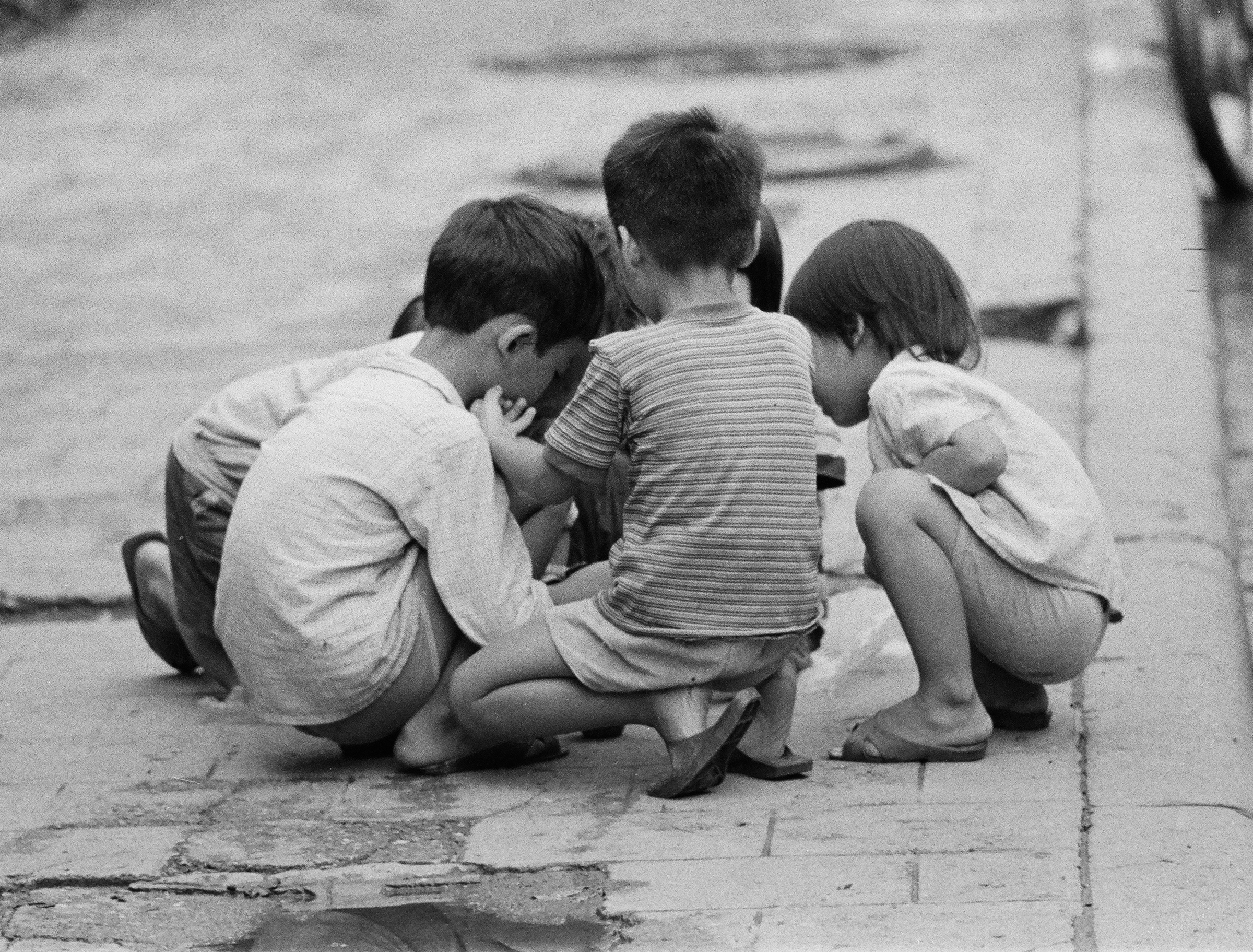
Figure 19. Unsupervised children at play in a Hà Nội street. Photo by author.
Notes
1 Ken MacLean, “The Rehabilitation of an Uncomfortable Past: Everyday Life in Vietnam During the Subsidy Peri-od (1975–1986),” History and Anthropology 19, no. 3 (2008): 281–303.
2 Shelton Woods, “Việt Nam in the Twenty-First Century: The Unbreakable Bamboo,” Education About Asia 23, no. 3 (2018): 40.
3 For a detailed account of our tour, see Stephen Black, “Vietnam 1978: Life After War Through the Lens of a West-ern Tourist,” Journal of Vietnamese Studies 20, no. 2 (2025): 176–209.
4 John Ramsden, Hanoi After the War (Milan: Skira Editore, 2018).
5 See Nguyen Van Huy, “Life in Hanoi in the State Subsidy Period: Questions Raised in Social Criticism and Social Reminiscences,” in Historicizing Theories, Identities, and Nations, ed. Regna Darnell and Frederic Gleach (Lincoln: University of Nebraska Press, 2017), 219–251.
6 See for example: Nguyen Van Huy, “Life in Hanoi in the State Subsidy Period; Thi Lam Dien Tran, “People of Hà Nội in the Bao Cấp Era: Everyday Life Under Vietnamese Socialist Rule, 1954-1986” (master’s thesis, University of Ottawa, 2022), 96.
7 See Glossary of Key Terms in Teaching Resource
8 See Glossary
9 See Glossary
10 See Glossary
11 See Glossary
12 See Glossary
13 Christina Schwenkel, “Rethinking Asian Mobilities,” Critical Asian Studies 46, no. 2 (2014): 235–258.
14 Geoffrey Gunn, Rice Wars in Colonial Vietnam: The Great Famine and the Viet Minh Road to Power (New York: Rowman & Littlefield, 2014).
15 Benedict J. Kerkvliet, The Power of Everyday Politics: How Vietnamese Peasants Transformed National Policy (Itha-ca, New York: Cornell University Press, 2005).
16 See Glossary
17 Melanie Beresford, National Unification and Economic Development in Vietnam (London: The MacMillan Press, 1989).
18 Margaret Bodemer, “Making Ordinary People Actors in National History: ‘Hanoi Life Under the Subsidy Econo-my’ in the Vietnam Museum of Ethnology,” Suomen Antropologi: Journal of the Finnish Anthropological Society 35, no. 2 (2010): 58.
19 Danièle Bélanger and Magali Barbieri, “Introduction: State, Families, and the Making of Transitions in Vietnam,” in Reconfiguring Families in Contemporary Vietnam, ed. Magali Barbieri and Danièle Bélanger (Stanford, Cal: Stan-ford University Press, 2009).
20 Huong T. D. Nguyen, “Voices in the Shadow of Independence: Vietnamese Opinion on Some National Issues in the Period of 1979–1986” (master’s thesis, Ohio University, 2010) 73.
21 Sarah Turner, Hanh Thuy Ngo, Thao Dinh Nguyen and Yvette Buttery, “From Strict Socialism to Social Evils: Changing Childhoods over Three Generations in Urban Vietnam,” Population, Space and Place 30, no. 6 (2024).
22 Ken MacLean, “The Rehabilitation of an Uncomfortable Past,” 291.
23 Thi Lam Dien Tran, “People of Hà Nội in the Bao Cấp Era” 96.
24 Christina Schwenkel, “Rethinking Asian mobilities,” 249.
25 Adam Fforde, From Plan to Market: The Economic Transition in Vietnam (Boulder, CO: Westview Press, 1996), 58.
26 See Glossary
27 Jonathon London, “The Communist Party of Vietnam: Consolidating Market-Leninism,” in Routledge Handbook of Contemporary Vietnam, ed. Jonathon London (Abingdon, Oxon: Routledge, 2023).
28 Ken MacLean, “The Rehabilitation of an Uncomfortable Past.” 282.
29 Sarah Turner, Hanh Thuy Ngo, Thao Dinh Nguyen and Yvette Buttery, “From Strict Socialism to Social Evils.”
30 Thi Lam Dien Tran, “People of Hà Nội in the Bao Cấp Era.” 135.
31 Ken MacLean, “The Rehabilitation of an Uncomfortable Past.” 296.
Teaching Resources
Map of North and South Việt Nam during the Second Indochina War
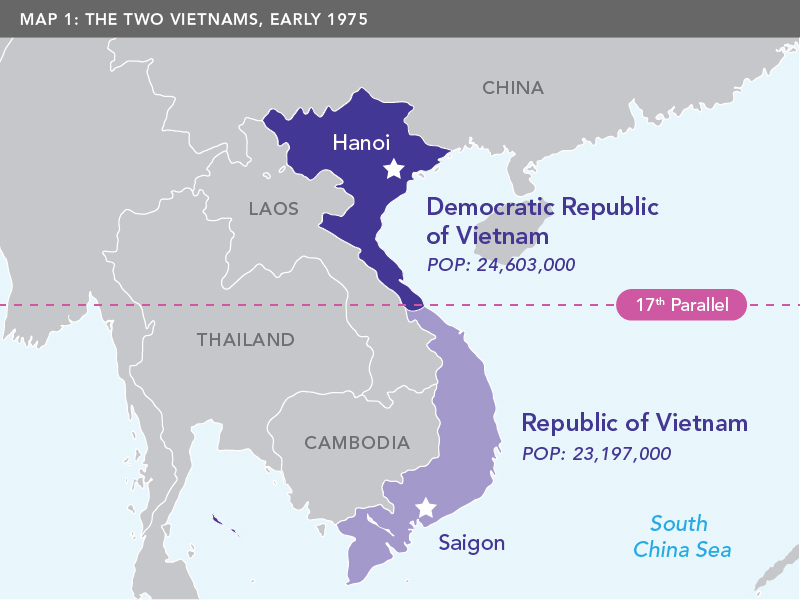
Source: Asia Pacific Curriculum https://asiapacificcurriculum.ca/learning-module/vietnam-after-war
Glossary of Key Terms
1954 Geneva Accords
Following the defeat of French forces at the hands of the Việt Minh at Điện Biên Phủ in 1954 (First Indochina War), an international conference was held in Geneva that aimed to settle outstanding issues from the war. The Geneva Accords were a set of documents that temporarily partitioned Việt Nam along the 17th parallel.
Boat people
The exodus by boat of many thousands of Vietnamese individuals and families to other Asian and Western nations. It followed the fall of Sài Gòn in 1975 and the subsequent extension of socialism to the formerly capitalist South Việt Nam.
Collectivization
The socialist government policy of consolidating (confiscating) private land and industries into collective or state-controlled entities.
Democratic Republic of Việt Nam
The name of the socialist state of Việt Nam following Hồ Chí Minh’s Declaration of Independence on September 2, 1945. During the Second Indochina War in 1975, it was commonly known in Western countries as North Vietnam.
Đổi Mới (transl. Renovation)
The economic liberalization reforms initiated by the Communist Party of Việt Nam that ended the subsidy period. The reforms represented a move away from the strict command economy to a “socialist-oriented market economy.”
First Indochina War (1946–1954)
The war between the Việt Minh, a nationalist and largely communist movement led by Hồ Chí Minh, and France, which had attempted to reassert colonial control over Việt Nam after World War 11. The Việt Minh sought Vietnamese independence from France, and the war concluded with the defeat of French forces at Điện Biên Phủ.
Hồ Chí Minh
Hồ Chí Minh (1890-1969) was the communist leader who founded the nationalist Việt Minh and who declared Vietnam’s independence at the end of the second world war in 1945. He led the Việt Minh to victory over French forces in the First Indochina War and was President of the Democratic Republic of Việt Nam (North Việt Nam) until his death in 1969. As a revered national leader, he was often referred to as “Uncle Hồ.”
Mekong Delta Rice Bowl
The fertile wetlands in the south of Việt Nam that provide much of Việt Nam’s rice production.
Outside market
The private market (sometimes referred to as the “black market”) for goods and services that operated outside the formal state-controlled economy.
Republic of Việt Nam
Widely known as South Việt Nam, it was an anti-communist state formed following the partition of Việt Nam by the 1954 Geneva Accords. Its capital was Sài Gòn (now Hồ Chí Minh City), and it was a key ally of the United States and their allies in the Second Indochina War that ended in 1975.
Reunification
The political process of reunifying the north and south of Việt Nam into one nation state (Socialist Republic of Việt Nam) following the fall/liberation of Sài Gòn to the communist forces of the north in 1975.
Second Indochina War (1955–1975)
Widely known as the “Vietnam War,” it was fought between the communist North Việt Nam (Democratic Republic of Việt Nam) and the capitalist, US-backed South Việt Nam (Republic of Việt Nam). It began from the time Việt Nam was partitioned (see Geneva Accords) and concluded with the defeat of the South in Sài Gòn in 1975.
Subsidy Period
The period between 1975 and 1986 when reunified Việt Nam adopted a Soviet-style command economy marked by state subsidies and central planning. The period was characterized by economic hardships, including shortages of food and other consumer goods.
Timeline of Events Leading to and Following the Subsidy Period in Việt Nam
1945
Following the Japanese surrender signalling the end of the Second World War, Hồ Chí Minh declared the independence of the Democratic Republic of Việt Nam in Hà Nội.
1946–1954
The First Indochina War as France attempted to reclaim Việt Nam as a colony.
1954
The forces of Hồ Chí Minh’s Viet Minh defeated the French at Điện Biên Phủ.
1954
The Geneva Accords temporarily divided the country at the 17th parallel. Subsequently the north of Việt Nam (Democratic Republic of Việt Nam) was aligned with communist bloc countries (notably Russia and China), and the south of Việt Nam became a US-backed republic (Republic of Việt Nam).
1955–1975
Second Indochina War (widely known as the “Vietnam War,” and for many Vietnamese people, the “American War.”).
1964
The US escalated its military involvement mainly from 1964 following the Gulf of Tonkin incident.
1973
The Paris Peace Accords were signed, leading to the withdrawal of US forces from Việt Nam.
1975
North Vietnamese forces captured Sài Gòn, bringing the war to an end.
1976
Việt Nam was officially reunified as the Socialist Republic of Việt Nam.
1975–1986
The Subsidy Period. A doctrinaire period of communist rule that caused much economic hardship in Việt Nam.
1986
The Communist Party of Việt Nam introduced Đổi Mới (economic renovation), reforms that transitioned the country toward a “socialist-oriented market economy.”
Comprehension & Discussion Questions
-
What is meant by the term Subsidy Period (1975–1986) in Việt Nam? What were its key features?
-
Why did the Subsidy Period come to an end in the mid-1980s?
-
How did the country change with the Đổi Mới reforms?
-
What was the significance of an exhibition on the Subsidy Period held in the Museum of Ethnology in Hà Nội in 2006?
-
What was Hồ Chí Minh’s role in establishing and extending a socialist state in Việt Nam? What was his legacy for the Vietnamese people?
On examining the photographs in this essay, could you:
-
List aspects of life in Hà Nội at this time that would indicate poverty and austerity? These could include themes such as: clothes/fashions; streetscapes; architecture; transport; and working lives.
-
Comment on aspects of community living in Hà Nội at this time, for example, on the sharing of resources and connections between people?
Additional photographs of Hà Nội taken at this time by the author are available in the Vietnamese Magazine Saigoneer (see external link No. 4 below).
-
Compare the photographs taken in the essay with photographs taken in Hà Nội just five years earlier during the war by the German photographer Horst Faas? (see external link No.5). What changes, if any, do you notice in everyday life in Hà Nội? Can you see any improvements in everyday lives for the residents of post-war Hà Nội?
External Links and Resources
- https://www.educationaboutasia.org/article/id/1537
- https://journal.fi/suomenantropologi/article/view/127470
- https://online.ucpress.edu/jvs/article/20/2/176/209899
- https://saigoneer.com/hanoi-heritage/28749-life-on-the-streets-of-1978-hanoi,-as-seen-via-black-and-white-film-photos
- https://saigoneer.com/hanoi-heritage/26349-street-photos-in-1973-capture-a-rebuilding-hanoi-after-linebacker-ii