

http://www.lifeinkorea.com/Images/Buddhism/Kidm026.jpg.

Title: About Korea URL: http://user.chollian.net/~jis0523/korea.htm Unlike many flashy, multimedia Web sites, this site is comprised of a series of articles about Korea, including culture, geography, and ethnicity of its population.
Title: Korea Tourism E-Books URL: http://english.visitkorea.or.kr/enu/GK/GK_EN_2_7_4.jsp The Korea Tourism Organization has compiled a large number of e-books, primarily for tourists, but of interest to those who want to be informed about contemporary Korea. Each e-book is magnificent in its presentation, with many images and in-depth articles. The Cultural Insights book has 140 pages on Korean aesthetics, lifestyles, thought, and other pertinent areas.
Title: Korea Society K–12 Resources URL: http://www.koreasociety.org/102_korean_studies_curriculum_materals/103_by_subject_area/view_category.html These curriculum materials from the Korea Society are organized by subject area. Each lesson plan designates the appropriate grades and the materials needed for the lesson. They are presented in pdf format.
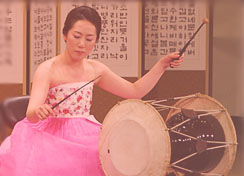
https://www.koreasociety.org/arts-culture/item/143-rhythms-to-make-the-heart-beat-faster.
Title: Korea.net URL: http://www.korea.net/korea/korea.asp This is a subpage of the Korea.net site, whose homepage is somewhat cluttered. This subsidiary page has a layout that is easier to navigate. The sections featured here include Culture, Korean Life, and Society.
Title: PBS: Hidden Korea URL: http://www.pbs.org/hiddenkorea/index.htm PBS produced a show about Korea, and these Web pages amplify the sections of the video. The main topics include geography, history, and culture. Each section is concise and contains links for additional information.
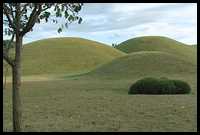
http://www.pbs.org/hiddenkorea/history.htm.
Title: The Shaping of Korean Popular Music from 1945 to 1960 URL: http://www.allacademic.com//meta/p_mla_apa_research_citation/1/6/8/4/5/pages168459/p168459-1.php This academic presentation traces the development of Korean popular music and the relationship of traditional music, Japanese music, and American popular music in Korea.
Title: The English Teacher’s Guide to Korea URL: http://atek.or.kr/images/stories/rokstories/ETG2K-Members.pdf This 368-page pdf document was published by the Association of Teachers of English in Korea. It was written in 2009, and it has a great deal of information about contemporary Korea with topics that include food, daily life, travel, and the education system.
Title: A Study on the Relationships Among Hallyu, National Image, and Corporate Brand Equity URL: http://www.allacademic.com//meta/p_mla_apa_research_citation/2/3/1/7/8/pages231782/p231782-1.php Hallyu, or the Korean Wave, is the term used to define the spread of Korean pop culture. This paper was presented at the annual meeting of the International Communication Association; it examines the effects of hallyu in Southeast Asia and North America.
Title: South Korea’s pop-cultural exports: Hallyu, yeah! URL: http://www.economist.com/world/asia/displaystory.cfm?story_id=15385735 The Economist published this article in January 2010, making it quite current. It gives a brief overview of hallyu, its beginnings, and its development. For some, reading the comments affixed to the article may be more interesting than the article itself.
Title: Culture Shock—MIT Web Magazine URL: http://web.mit.edu/cultureshock/fa2002/jin_1.htm URL: http://web.mit.edu/cultureshock/fa2006/www/essays/koreanbeauty.html These are two articles written by MIT students about encounters with their Korean heritage as they spent time in Korea. Both students had unexpected reactions upon their visits to Korea.

http://web.mit.edu/cultureshock/fa2006/www/index.htm.
The Asia Society has many articles about Korea. The following three are among the most pertinent for learning about Korean Popular Culture.

http://www.asiasociety.org.
Title: The Value and Meaning of the Korean Family URL: http://www.asiasociety.org/countries-history/traditions/the-value-and-meaning-korean-family This essay is part of the Traditions section of the Asia Society’s look at Korea. It discusses the core values of the Korean family, now and in the past. The last third of the essay is devoted to changes in the Korean family since 1960.
Title: The Geography of the Koreas URL: http://www.asiasociety.org/countries-history/traditions/the-geography-koreas In addition to a description of the geography of Korea, the climate, the natural resources, and the population are discussed. For a brief view of Korea before the twentieth century, and then after the Korean War, there is a related article here: http://www.asiasociety.org/countries-history/traditions/korean-history-and-political-geography.